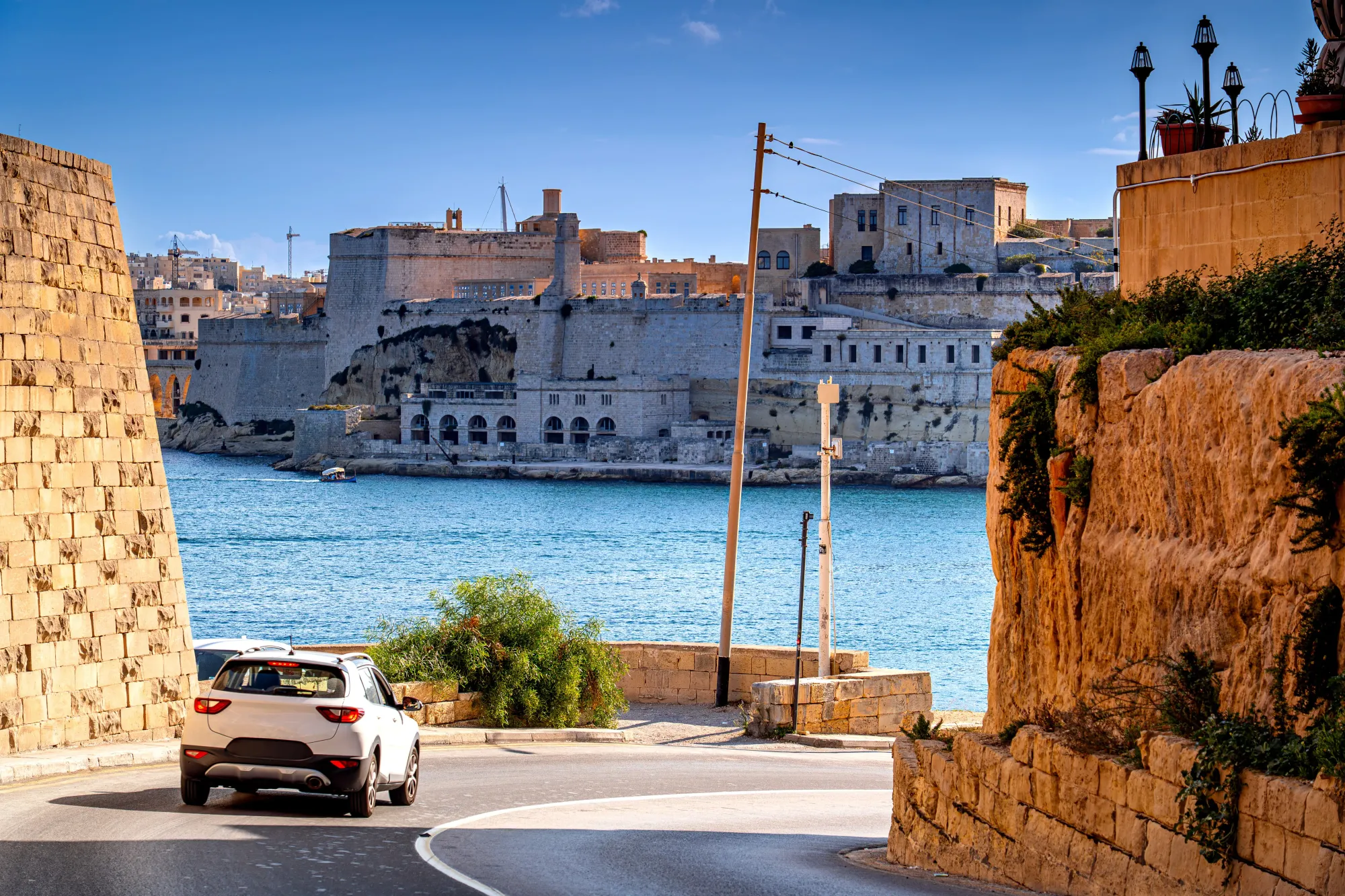
Importing a car from the UK to Malta is possible but involves several steps because the UK is now considered a non-EU country.
This means the vehicle must go through customs clearance, payment of duties and VAT, and registration with Transport Malta.
Importing a car from the UK to Malta after Brexit: preliminary considerations
Since 1 January 2021, vehicles imported from the UK are treated as imports from a third country.
As a result, they are subject to customs duty and VAT before they can be registered in Malta.
Key points to consider:
- Vehicles must go through customs clearance before registration.
- Import duty and VAT generally apply, unless specific exemptions exist.
- A registration tax will also be payable once the vehicle is registered in Malta.
- Used vehicles imported from the UK may require EU type-approval or individual vehicle approval to confirm they meet EU standards.
Because of these extra steps, the total cost can be significant and should be evaluated before importing a vehicle.
Transport to Malta
There are several ways to transport a car from the UK to Malta. The best option depends on budget, time and whether you want to drive the vehicle yourself.
Driving to Italy and taking a ferry
One common option is to drive from the UK across mainland Europe and then take a ferry to Malta.
Typical route:
- Drive from the UK through France and Italy.
- Reach southern Italy (usually Pozzallo or Catania in Sicily).
- Take a ferry to Malta.
Advantages:
- Often the cheapest option if you combine it with travel plans.
- You maintain full control of the vehicle during the journey.
Disadvantages:
- Long driving distance (around 2,500–3,000 km depending on route).
- Travel costs such as fuel, tolls and accommodation.
Sea transport by Ro-Ro ship
Ro-Ro (Roll-on/Roll-off) shipping is one of the most common professional vehicle transport methods.
How it works:
- The vehicle is driven onto a specialised ship.
- It remains inside the vessel during transport.
- It is driven off at the destination port.
Advantages:
- Usually cheaper than container shipping.
- Suitable for operational vehicles.
Disadvantages:
- The vehicle must be empty (no personal goods).
- Shipping schedules may be limited.
Transport by container or lorry
For higher-value vehicles or more protection, container or truck transport may be used.
Options include:
- Shared container (multiple vehicles)
- Dedicated container
- Vehicle transport lorry via Europe and ferry
Advantages:
- Better protection against damage.
- Suitable for classic or high-value vehicles.
Disadvantages:
- Usually the most expensive option.
Ports of arrival in Malta
Most vehicles imported into Malta arrive through Valletta Freeport or the Port of Valletta, which handle international cargo and vehicle shipments.
These ports handle:
- Commercial cargo ships
- Ro-Ro vehicle carriers
- Container vessels
Once the vehicle arrives, it must go through customs clearance before it can be released.
Customs formalities
Because the UK is now outside the EU, the car must be declared to Maltese Customs.
Typical steps:
- Submit a customs declaration.
- Pay applicable import duty and VAT.
- Obtain a customs release document.
- Present this document when registering the vehicle.
Used vehicles imported from the UK are treated as imports from a non-EU country, so duties must normally be paid before registration.
Required documentation
To clear customs, you will normally need:
- UK vehicle registration certificate (V5C)
- Purchase invoice or bill of sale
- Proof of identity
- Transport documents (bill of lading or shipping documents)
- Vehicle VIN/chassis number
- Customs declaration forms
- Proof of payment of duties and VAT
The customs release document will later be required during vehicle registration.
How to register the car
After customs clearance, the vehicle must be registered with Transport Malta.
Key steps:
- Book a vehicle inspection with Transport Malta.
- Present all documentation.
- Pay the applicable registration tax and fees.
- Receive Maltese registration plates and licence.
The registration process must normally be completed within 30 days of the vehicle’s arrival in Malta, otherwise daily penalties may apply.
A temporary permit allowing the vehicle to be used for up to 30 days can be issued while registration is pending.
Required documentation
To register the vehicle in Malta, you generally need:
- Original insurance certificate
- Customs clearance documents
- Foreign registration certificate (V5C)
- Invoice or purchase document
- Vehicle Certificate of Conformity (CoC)
- Inspection documents
- Registration forms (such as VEH forms required by Transport Malta)
- Payment of registration tax and administrative fees
Transport Malta also requires inspection and technical verification before registration.
Special technical requirements in Malta
Some technical conditions may apply to vehicles imported from the UK:
- The vehicle must comply with EU type-approval standards or obtain individual approval.
- An odometer authenticity certificate may be required to verify mileage.
- Vehicles must pass a technical inspection before registration.
In most cases, right-hand-drive vehicles from the UK are allowed because Malta also drives on the left side of the road.
Costs
The total cost of importing a car from the UK to Malta typically includes:
- Transport costs
- Customs duty (often around 10% for vehicles from outside the EU)
- VAT (18%)
- Registration tax
- Vehicle inspection fees
- Number plate fees
- Insurance and road licence
Registration tax varies depending on factors such as:
- Vehicle age
- Engine size
- CO₂ emissions
- Market value in Malta
Because this tax can be substantial, many buyers calculate the cost beforehand using the official valuation tool.
Frequently Asked Questions
We answer the most common questions about importing vehicles into Malta.
Is it expensive to import a car from the UK to Malta?
It can be costly because you must pay transport, customs duty, VAT and registration tax. For some vehicles, buying locally may be cheaper.
Can I drive my UK-registered car in Malta before registering it?
Yes, but you must apply for a temporary 30-day permit while completing the registration process.
How long do I have to register the car after it arrives?
The vehicle must usually be registered within 30 days of arrival in Malta.
Do I need to modify a UK car for Malta?
Usually not, since Malta also drives on the left side of the road, but the vehicle must meet EU technical standards.
Can I import a used car from the UK?
Yes, but after Brexit it is treated as an import from a non-EU country, so customs duty and VAT generally apply.
Do I need an inspection before registration?
Yes. Vehicles must undergo technical inspection by Transport Malta before they can be registered.
Helpful Resources:
Registering a Vehicle - Documents required – Transport Malta
Vehicle Registration Portal – Transport Malta
Land Transport – Driving in Malta - Government Services and Information


