Travelling in Europe with a motorhome or heavy goods vehicle involves complying with various regulations, and the European Certificate of Conformity (COC) is a key document for doing so without complications.
Not only does it facilitate driving and registration in different countries, but it has become even more important with the new requirements regarding CO2 emissions and schemes such as the Eurovignette.
What is the Certificate of Conformity and why is it important for travelling in Europe
The European Certificate of Conformity is an official document issued by the manufacturer certifying that a vehicle complies with European Union type-approval regulations.
It includes essential technical data such as dimensions, maximum mass, engine specifications and, in particular, emission levels.
For those travelling in heavy goods vehicles or motorhomes, this document guarantees that the vehicle is legally authorised to travel throughout all EU countries without the need for additional type-approvals.
What we consider to be heavy goods vehicles
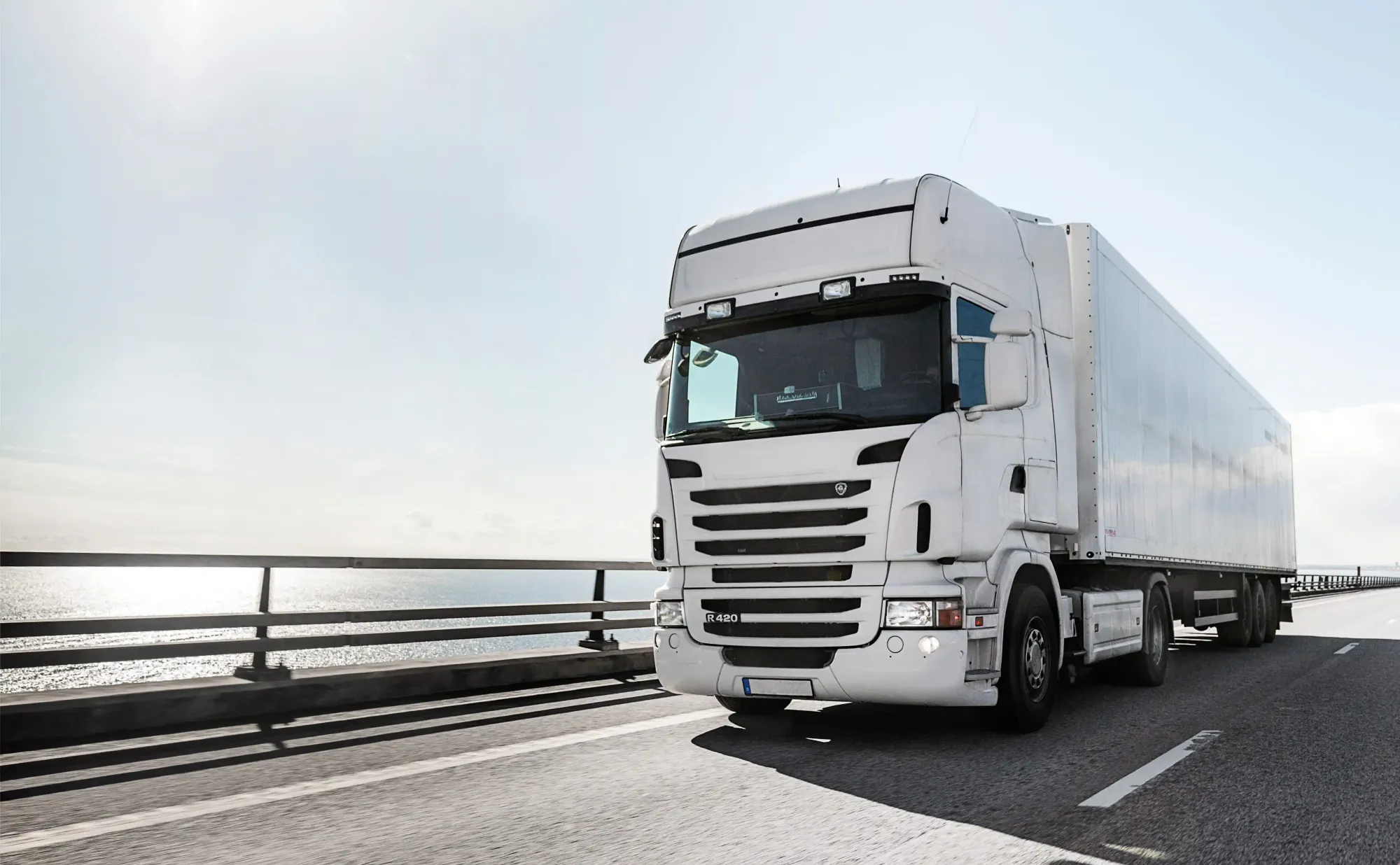
Under European regulations, heavy goods vehicles are defined as those with a maximum authorised mass (MAM) exceeding 3,500 kg.
This category includes:
- Lorries
- Buses
- Large motorhomes
- Large converted vehicles (buses, lorries, etc.)
These types of vehicles are subject to stricter regulations compared to passenger cars, particularly regarding emissions, tolls and traffic restrictions in certain areas or countries.
Facilitates international travel without additional paperwork
One of the greatest benefits of the COC is that it simplifies travel between European countries.
In the event of checks, changes of residence or registration in another country, having this certificate avoids complex and costly bureaucratic procedures.
On a road trip through Europe, where multiple borders are crossed, having the COC provides legal certainty and streamlines any vehicle-related procedures.
It is precisely the customs officers who are responsible for verifying the vehicle’s technical details, its origin and its load.
Not having this document may result in the vehicle being immobilised.
Key to meeting new European CO2 emissions regulations
Recent European policies are tightening emissions requirements, particularly for heavy goods vehicles.
In this context, the Certificate of Conformity takes on even greater importance, as it includes all information relating to the vehicle’s CO2 emissions.
This data is essential for determining whether a vehicle can access certain low-emission zones, as well as for calculating charges or restrictions applicable in each country.
Required for the Eurovignette and other toll systems
In several European countries, particularly for freight transport and heavy goods vehicles, it is mandatory to pay charges such as the Eurovignette.
To obtain it, both the authorities and shops or petrol stations (where the Eurovignette is purchased) may request precise technical information about the vehicle, including its emissions.
The COC streamlines the application process and prevents potential errors or penalties.
Safety and peace of mind whilst travelling
Beyond the legal aspects, the COC provides peace of mind.
Knowing that the vehicle complies with all European standards allows you to focus on the journey,without worrying about potential administrative or technical issues.
This is particularly relevant on long motorhome trips, where planning and foresight are key to enjoying the experience.
Conclusion
The European Certificate of Conformity is not just a technical document, but an essential tool for travelling through Europe in heavy goods vehicles or motorhomes.
Its role becomes even more important in the context of stricter regulations on CO2 emissions and toll systems such as the Eurovignette.
Having it is, nowadays, a guarantee of compliance, efficiency and peace of mind on any European road trip.


