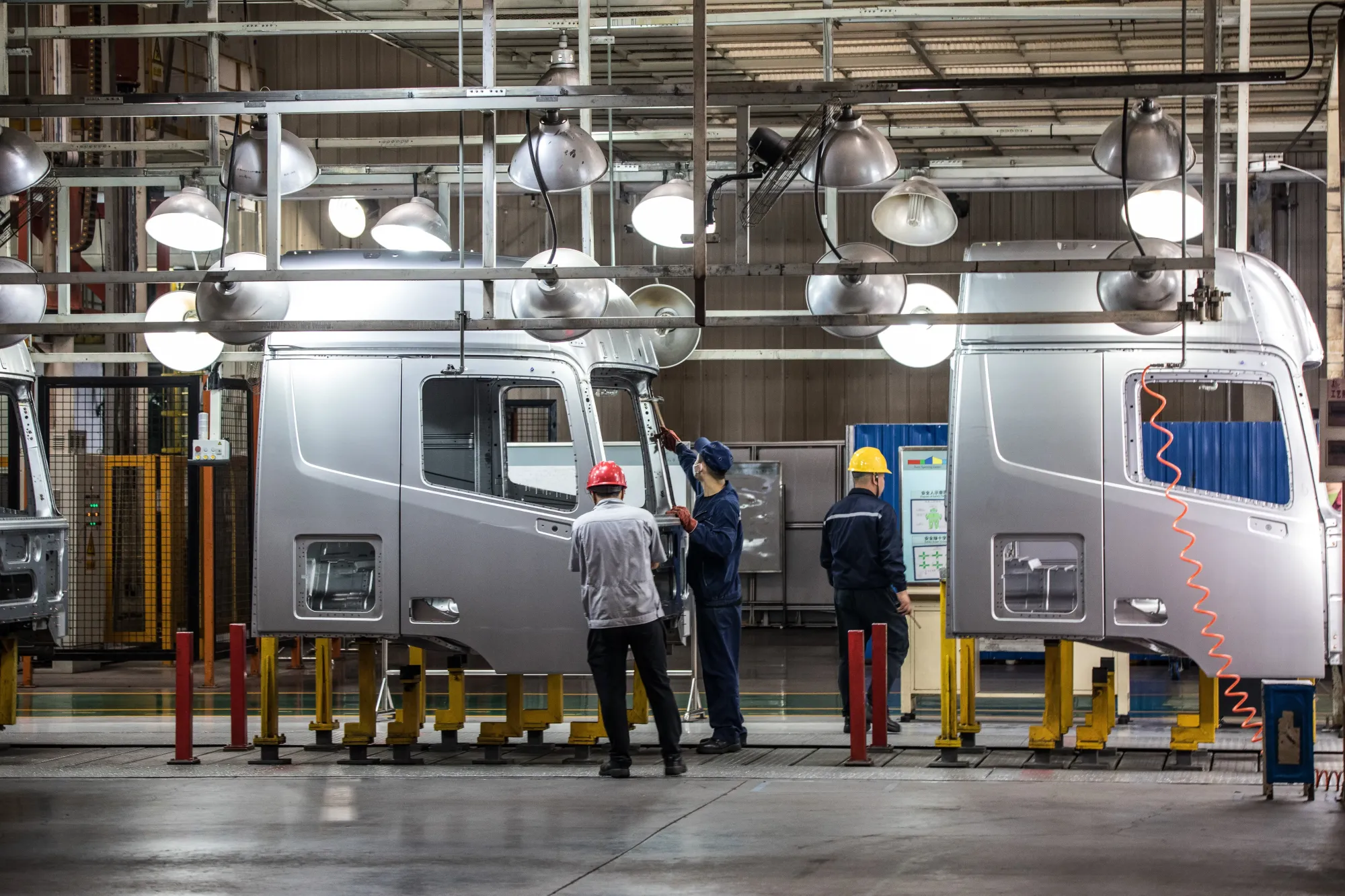
The European Union has just introduced a one-off relaxation of CO₂ emissions regulations for heavy-duty vehicles, giving manufacturers more leeway to meet climate targets through mechanisms such as cross-year emissions offsetting and credit schemes.
What has changed in the CO₂ emissions regulations for heavy-duty vehicles?
The Council of the European Union has approved a measure introducing greater flexibility in meeting CO₂ emission reduction targets for manufacturers of heavy-duty vehicles, including lorries and buses.
Until now, manufacturers had to meet strict annual emission targets.
Under the new approach:
- It is permitted to offset excess emissions in one year against better performance in others.
- A system similar to an “emissions credit bank” is introduced.
- More leeway is given regarding the deadlines for achieving the targets set by European regulations.
This measure does not eliminate climate targets, but adjusts the way they are achieved.
Credit system and flexibility: how it works
The main change is the introduction of flexibility mechanisms that allow:
1. Offsetting between years
Manufacturers will be able to:
- Slightly exceed the limits in a specific year.
- Offset this with greater reductions in other years within a given period.
2. Credits for good performance
If a manufacturer reduces emissions by more than required in a given year, it can generate credits to be used in subsequent years.
3. Greater predictability for the industry
This system allows for:
- Better planning of investments in electrification.
- Adapt to the actual pace of the market and technology.
Why has the EU introduced this flexibility?
The decision is driven by several key factors:
Industrial context
- The transition to heavy-duty electric vehicles is more complex than for passenger cars.
- There are limitations in charging infrastructure and high costs.
Pressure from the sector
- Manufacturers and operators have warned of difficulties in meeting strict deadlines.
- The aim is to avoid excessive penalties that affect competitiveness.
Long-term climate targets
- The EU remains committed to decarbonisation.
- Flexibility is a tool to facilitate compliance, not to reduce ambition.
Which vehicles does this measure affect?
The regulation applies to:
- Heavy goods vehicles
- Heavy-duty commercial vehicles
- Urban and inter-city buses
Particularly those subject to European targets for the progressive reduction of CO₂ emissions.
Impact on manufacturers and transport companies
For manufacturers
- More leeway to meet targets without immediate penalties.
- Greater stability in industrial planning.
For transport companies
- A possible slowdown in the mass arrival of zero-emission vehicles.
- But also a more realistic and cost-effective transition.
For the market
- A sudden shock to supply is avoided.
- The drive towards cleaner technologies is maintained.
Are climate targets being delayed?
Not exactly.
The emission reduction targets remain in force, but:
- The compliance timeline is being made more flexible.
- A more gradual approach is being introduced.
This means that the EU remains committed to decarbonisation, but with a more pragmatic approach.
Frequently Asked Questions
We answer the most common questions about changes to CO₂ emissions regulations for lorries.
Has the EU removed CO₂ emissions limits for lorries?
No. The targets remain in place, but the way they are met has been made more flexible.
What is the emissions credit system?
It is a mechanism that allows manufacturers to offset emissions between years or accumulate ‘credits’ if they exceed the targets.
When does this measure come into effect?
The measure was adopted in 2026 and will apply in the forthcoming regulatory periods defined by the EU.
Does it affect all vehicles?
No, it focuses on heavy-duty vehicles such as lorries and buses.
Does this slow down the green transition?
It may ease the pace in the short term, but it keeps the long-term targets intact.
Conclusions
The European Union has opted for a more flexible strategy for reducing CO₂ emissions from heavy-duty vehicles.
This decision seeks to balance climate targets with the realities of the industrial sector.
The new system of credits and offsets will allow manufacturers to better adapt to technological and economic challenges, without abandoning the goal of significantly reducing emissions in heavy transport.
In the medium term, this measure may facilitate a more orderly transition towards more sustainable fleets, although it could slightly slow down the immediate adoption of zero-emission technologies.


