LPG (Liquefied Petroleum Gas) is an alternative fuel to petrol and diesel that stands out for being more economical and cleaner in its combustion.
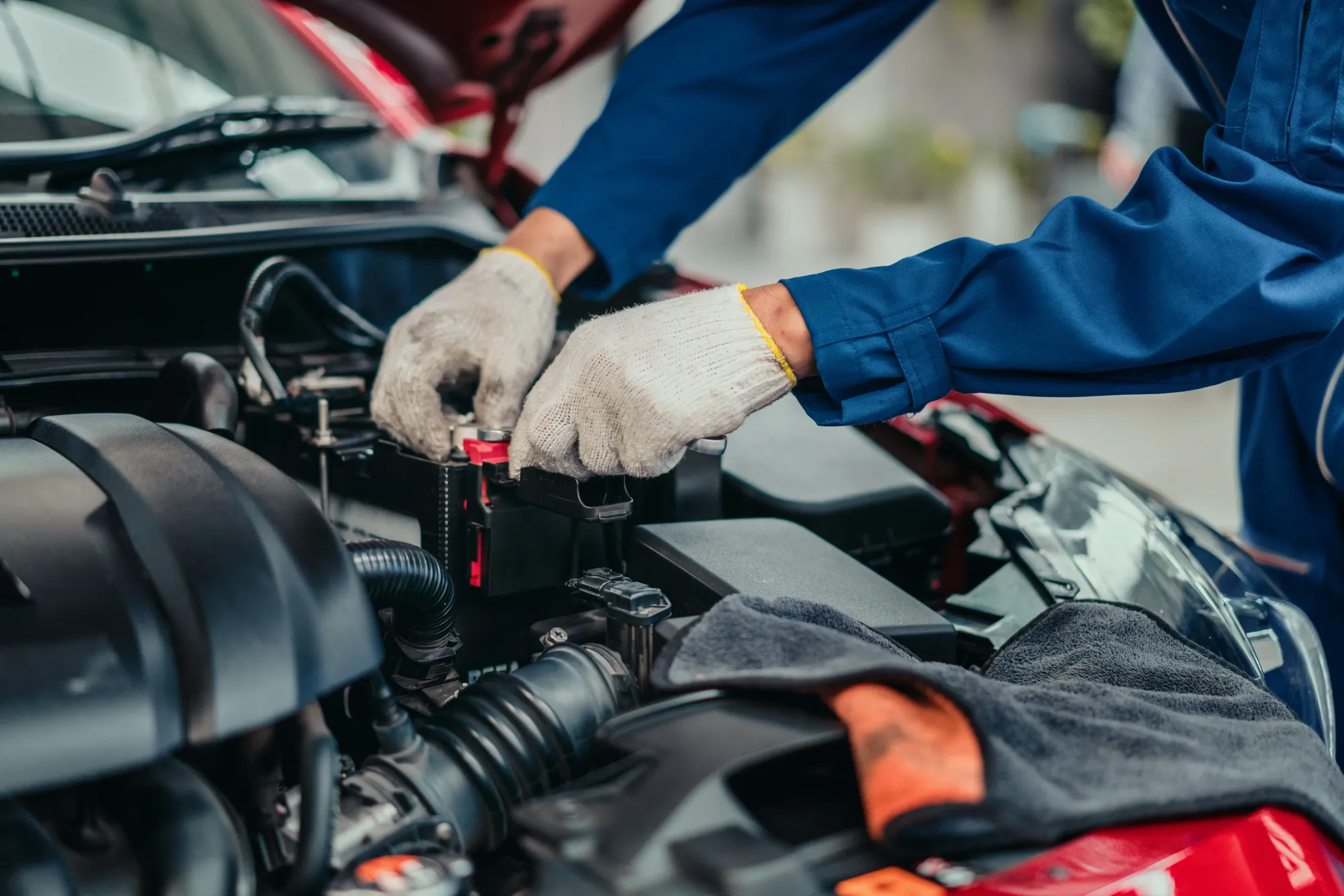
Thanks to the LPG conversion kit, it is possible to adapt a conventional vehicle to also run on this fuel, reducing running costs and pollutant emissions without sacrificing mobility.
What does LPG conversion involve?
LPG conversion involves adding a parallel fuel system to the vehicle.
In other words, the car retains its petrol or diesel system, but incorporates a second circuit specifically for LPG.
The kit includes an LPG tank, which is normally installed in the spare wheel well, a fuel line that runs along the underside of the vehicle and specific injectors located in the engine.
The entire system is managed automatically to ensure efficient and safe combustion.
A selector is installed inside the passenger compartment, usually on the dashboard, allowing the driver to choose the fuel and check the available LPG level via indicator lights.
Benefits
The installation of an LPG kit offers clear economic and environmental advantages:
- Fuel savings: LPG is cheaper than petrol and diesel. In petrol engines, the average saving can be around 40%.
- Lower emissions: significantly reduces CO₂, NOx and particulate emissions.
- ECO label: allows access to the ECO environmental label, with benefits in low-emission zones.
- Greater autonomy: having two fuels available increases the total distance the vehicle can travel.
- Sustainable driving: contributes to cleaner mobility without the need to change cars.
How much does the LPG kit cost?
The price of the LPG kit depends mainly on the type of engine and the number of cylinders.
Not all kits are the same, as they must be adapted to the technical characteristics of each vehicle.
To find out the technical specifications of the vehicle, you will need the Certificate of Conformity (COC).
As a general reference, the cost of the kit represents a significant part of the final price, but it must always be accompanied by a professional and approved installation, which is essential for its legalisation.
How much does the complete conversion cost?
The total cost of the conversion includes the kit, labour and the approval process:
- Petrol vehicles: from approximately £1,600.
- Diesel vehicles: the price is usually around £2,800, due to the greater technical complexity.
The investment pays for itself over time thanks to fuel savings and the benefits associated with the ECO label, such as reductions in taxes, tolls and regulated parking.
Is it safe?
Yes, LPG is a safe fuel. Modern systems incorporate multiple safety features, such as safety valves that prevent leaks and tanks designed to withstand impacts and high temperatures.
In addition, LPG kits must comply with very strict approval regulations, which guarantees their reliability.
With proper maintenance, the level of safety is comparable to that of any conventional fuel system.
How is it approved?
After installing the kit, the vehicle must pass a vehicle inspection, where it is verified that the system is correctly installed and approved in accordance with current regulations.
Once the inspection has been passed, the conversion is recorded in the vehicle's documentation.
From that moment on, the LPG system requires periodic checks to ensure its correct functioning.
Which vehicles can use the LPG kit?
Conversion to LPG is possible in most vehicles:
- Petrol cars
- Diesel vehicles
- Hybrid models
The main requirement is that the engine is in good condition and that the vehicle has all the necessary documentation to be able to approve the modification.
Are there enough Autogas stations in the United Kingdom?
It is estimated that there are more than 1,400 LPG (Autogas) refuelling points distributed throughout the United Kingdom.
Although not as developed as in Germany or Italy, the UK ranks among the European countries with the most autogas stations in global data on autogas station networks.
There are LPG stations listed for the UK in European refuelling directories, which indicates that there is an operational network, although it is smaller than in southern or central European countries.
How many autogas stations are there in Mallorca?
Palma de Mallorca and surroundings
- GasAuto Repsol AutoGas – LPG station in the Son Castelló industrial estate.
- Repsol – Repsol in Camí Salard with Autogas point.
- GasAuto Repsol AutoGas – Another LPG refuelling point on Camí de la Milana.
- Repsol – Station near Son San Juan Airport with Autogas.
- SET&GO – Petrol station that also appears in LPG listings (according to station listings).
Other LPG locations in Mallorca
- Stations with Autogas in Calvià, Inca, Son Servera and Manacor, according to price and availability lists on the island.
In general, the LPG network in Mallorca is not as extensive as on the mainland (especially compared to large regions such as Catalonia or Madrid), but there are stations with autogas distributed throughout Palma and other major municipalities.
Frequently asked questions
We answer the most common questions about the LPG Kit.
Is the LPG kit suitable for any car?
Not for all, but for most. It is essential that the engine is in good condition and that the model is technically compatible with the LPG system.
Is the LPG kit suitable for camper vans or motorhomes?
Yes, provided that the vehicle meets the technical requirements and the installation is approved.
In this type of vehicle, the fuel savings can be particularly significant.
Does it reduce power?
With modern injection systems, the loss of power is minimal or practically imperceptible under normal driving conditions.
Is it mandatory to pass a technical inspection (MOT)?
Yes. After installation, a vehicle inspection is mandatory, and the vehicle will continue to undergo regular inspections as usual.
Are there enough LPG filling stations in the UK?
Yes. In the UK, there are more than 900 service stations offering LPG, making it easy to refuel in most areas.
Is it a dangerous fuel?
No. LPG has numerous safety systems and regular checks.
Its reputation as a dangerous fuel is one of the most widespread myths, but it does not reflect reality.
Is a hybrid car compatible with LPG?
Yes. In fact, in hybrid vehicles converted to LPG, emissions are reduced even further, combining electrification and a cleaner fuel.
Useful Links:


