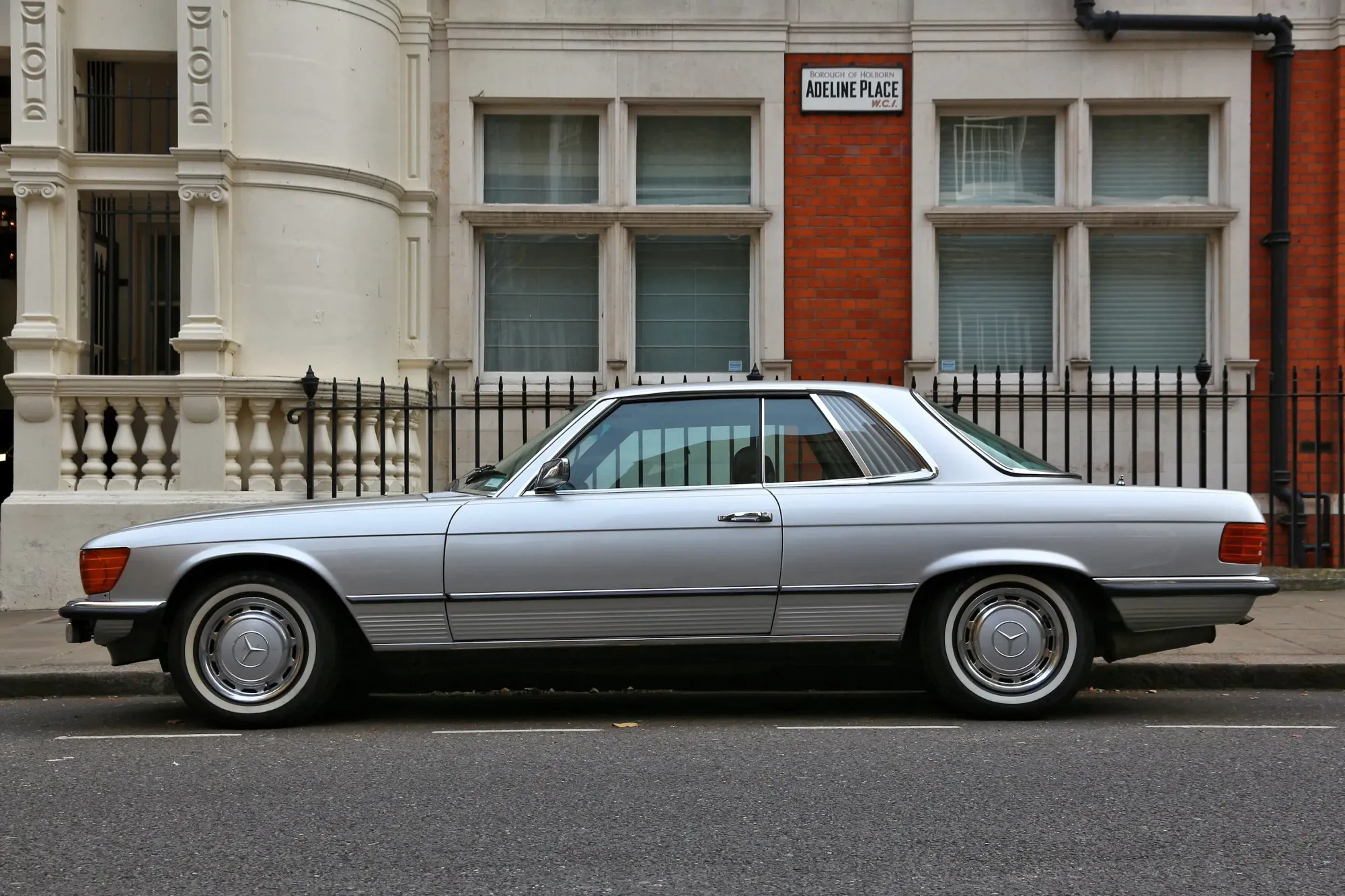
Modern classic cars, algo known as youngtimers, are vehicles occupying the space between modern cars and fully fledged classics.
Generally built between the late 1980s and early 2000s, they are increasingly sought after by collectors because they combine analogue driving sensations with more modern comfort, safety and reliability.
They are often referred to as “modern classics”, although the term “youngtimer” is also widely used among enthusiasts.
What are modern classic cars?
A modern classic car is usually a vehicle between 20 and 30 years old that has not yet reached official historic vehicle status but is already considered collectible or culturally significant.
Unlike historic cars, there is no single legal definition of a youngtimer in the UK.
The category is mainly used by collectors, insurers, specialist dealers and automotive enthusiasts.
Typical characteristics of a youngtimer include:
- Production between approximately 1985 and 2005
- Strong enthusiast following
- Limited availability or iconic design
- Mechanical simplicity compared with modern vehicles
- Increasing collector value
- Original or well-preserved condition
International organisations such as FIVA generally recognise vehicles over 20 years old as eligible for “youngtimer” consideration.
What legal and tax obligations do they entail?
Youngtimer vehicles do not automatically benefit from the same exemptions as historic vehicles.
In the UK, most remain subject to normal road traffic regulations until they reach 40 years of age.
MOT requirements
Most youngtimers must undergo an annual MOT test.
Historic MOT exemption generally only applies once a vehicle becomes more than 40 years old and has not undergone substantial modifications.
Vehicle Excise Duty (road tax)
Youngtimers normally pay standard Vehicle Excise Duty (VED), often based on:
- Engine size
- CO₂ emissions
- Registration date
Many performance youngtimers from the 1990s and early 2000s can attract relatively high road tax because they were built before modern emissions optimisation.
Historic vehicle tax exemption only becomes available once a vehicle exceeds the 40-year threshold.
Insurance
Many insurers offer specialist classic or modern classic insurance policies for youngtimers if:
- The vehicle is used occasionally
- Mileage is limited
- The owner keeps the car in good condition
- The vehicle is not used as a daily commuter
These policies can significantly reduce insurance costs.
Emissions and low-emission zones
Youngtimers may face restrictions in low-emission zones such as:
- London ULEZ
- Clean Air Zones in Birmingham, Bristol and other cities
- European LEZ systems
Older petrol and diesel engines frequently fail to meet modern Euro emissions standards.
Maintenance obligations
Youngtimers require specialised maintenance because:
- Spare parts may become difficult to source
- Electronics from the 1990s can deteriorate
- Rust protection may be inadequate compared with modern cars
- Original components increase collector value
Maintaining originality is particularly important for resale value.
How do they differ from classic and historic cars?
| Category | Typical age | Legal definition in UK | MOT exemption | Tax exemption | Main focus |
|---|---|---|---|---|---|
| Youngtimer | 20–30 years | No formal legal definition | No | No | Emerging collectability |
| Classic car | Usually 20+ years | Informal market term | Usually no | Usually no | Enthusiast ownership |
| Historic vehicle | 40+ years | Official DVLA category | Yes, if unmodified | Yes | Preservation and heritage |
Do they require a Certificate of Conformity?
In some situations, yes.
A Certificate of Conformity (CoC) may be useful or necessary when:
- Importing a youngtimer from another European country
- Registering the vehicle in the UK after importation
- Proving technical specifications
- Verifying emissions data
- Completing homologation procedures
However, many older youngtimers predate EU-wide digital homologation systems, meaning a CoC may not always exist.
In those cases, owners may instead require:
- Manufacturer dating certificates
- Technical inspections
- Individual Vehicle Approval (IVA)
- National homologation documents
A CoC can simplify registration considerably for imported vehicles.
Examples of youngtimer cars
Alfa Romeo
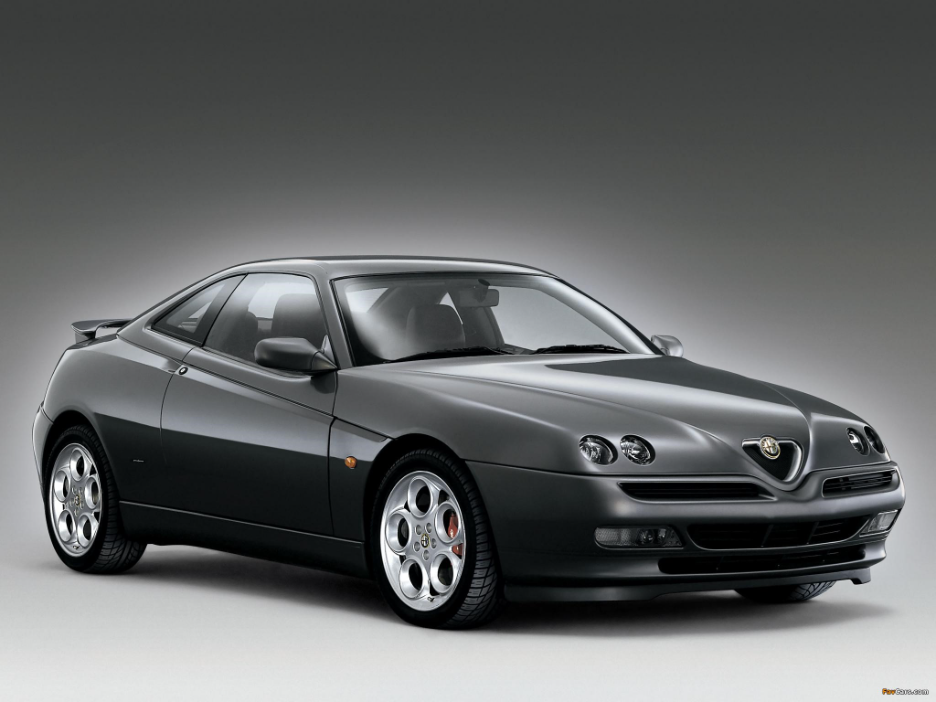
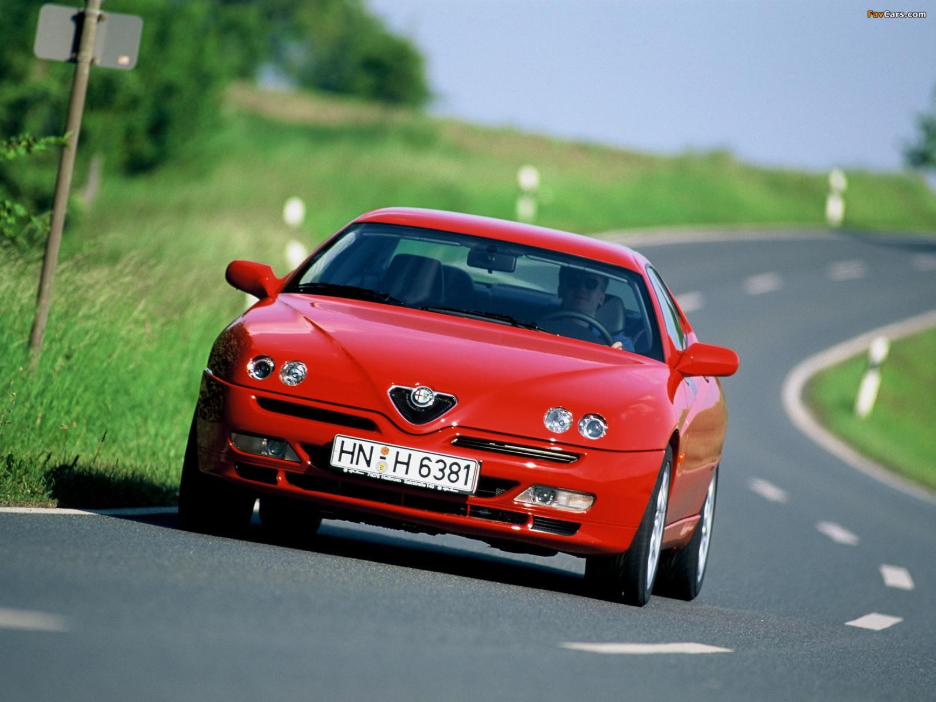
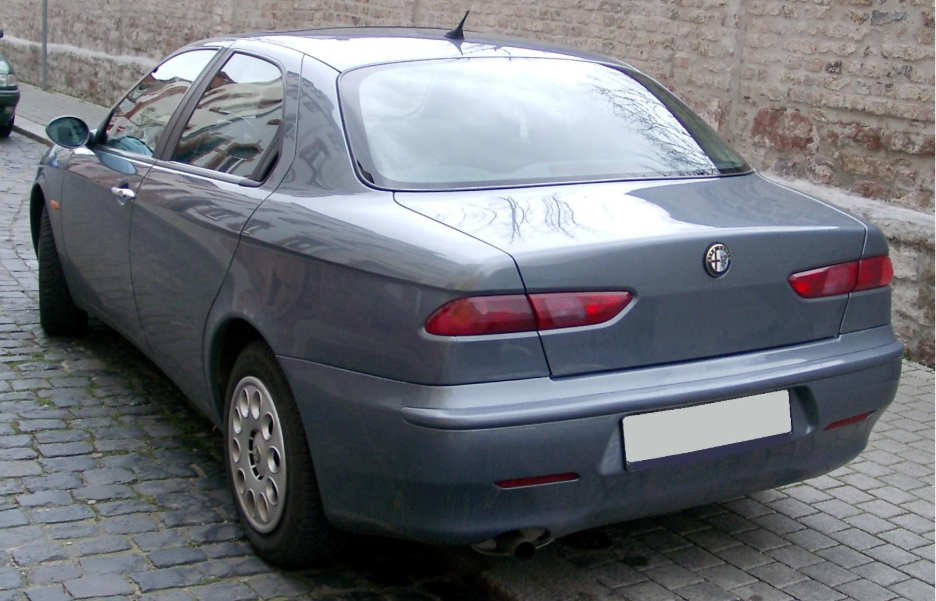
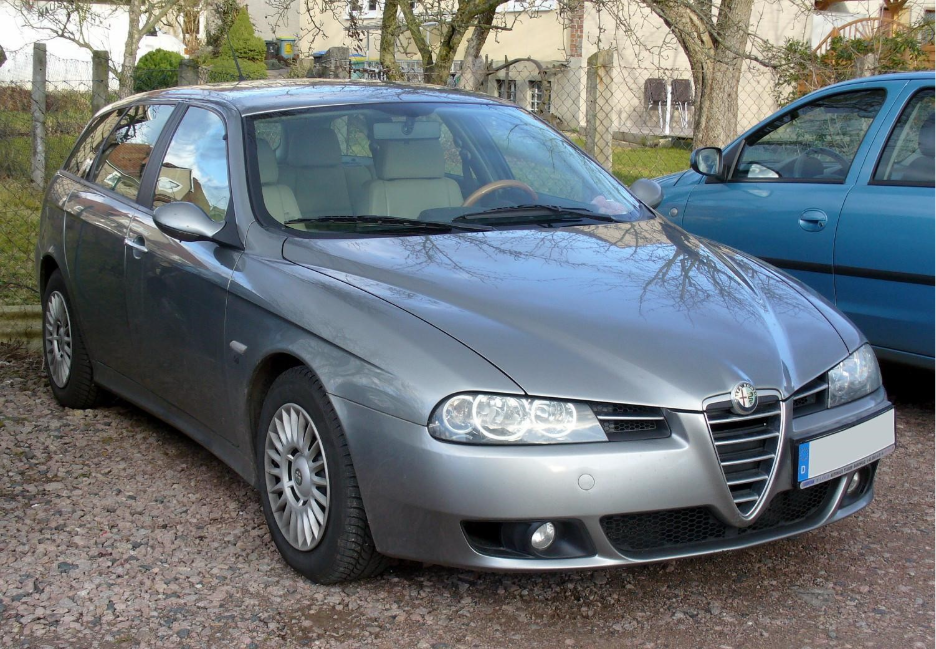
The Alfa Romeo GTV and Alfa Romeo 156 are among the best-known Italian youngtimers. They combine distinctive styling, charismatic engines and engaging handling.
Busso V6-powered models are especially collectible.
BMW
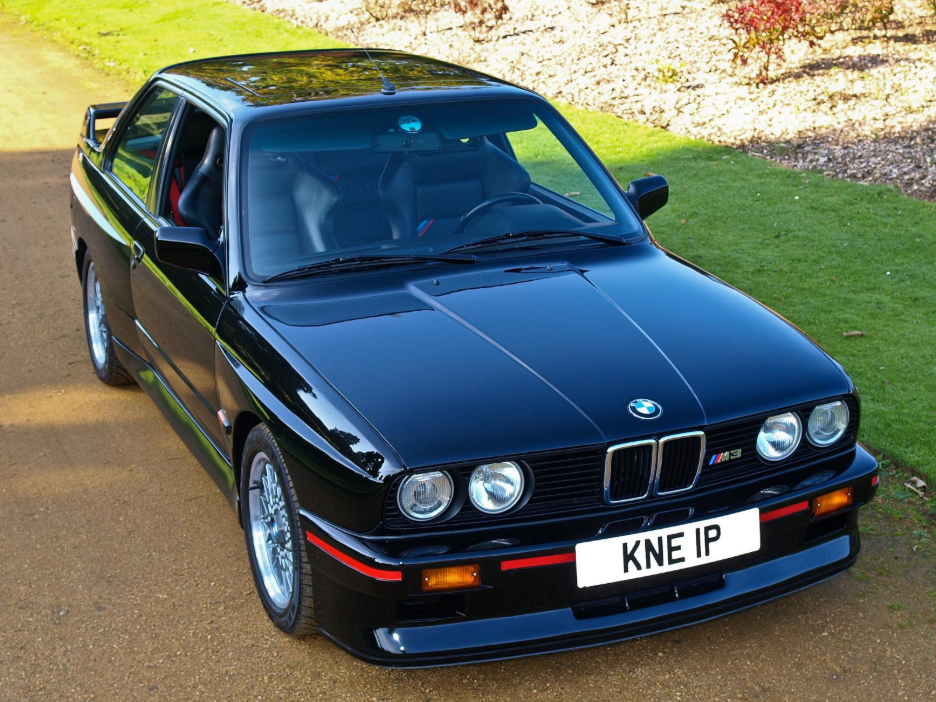
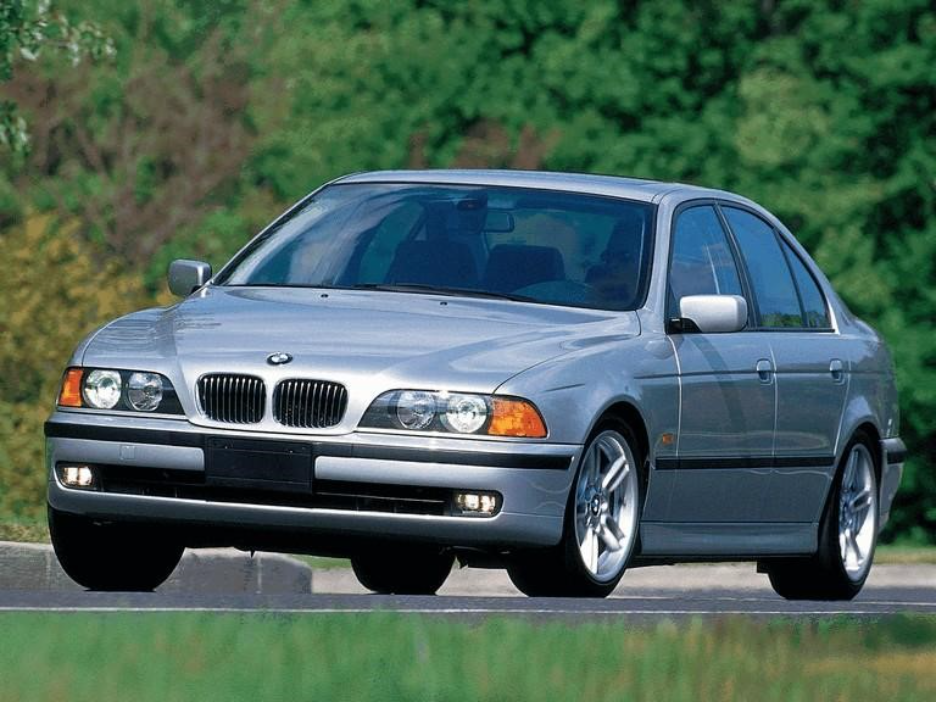
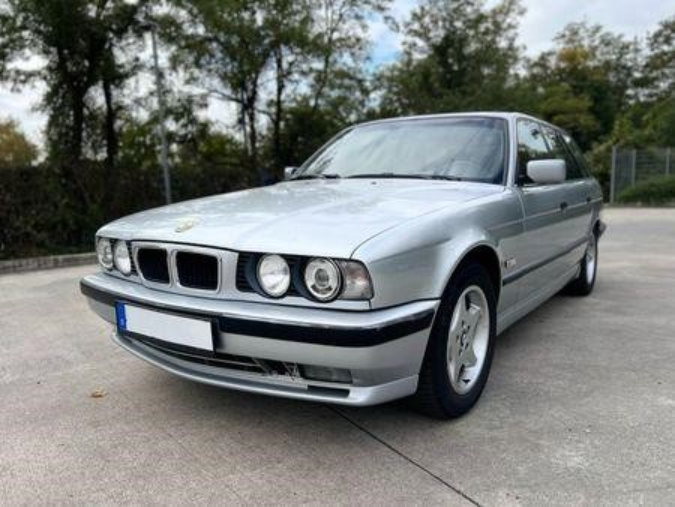
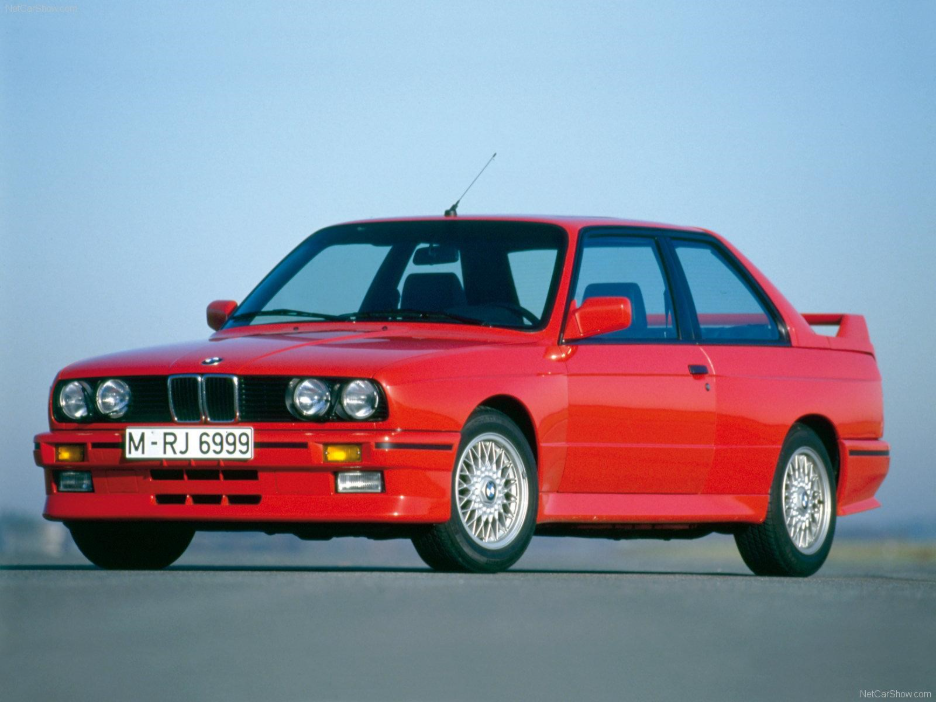
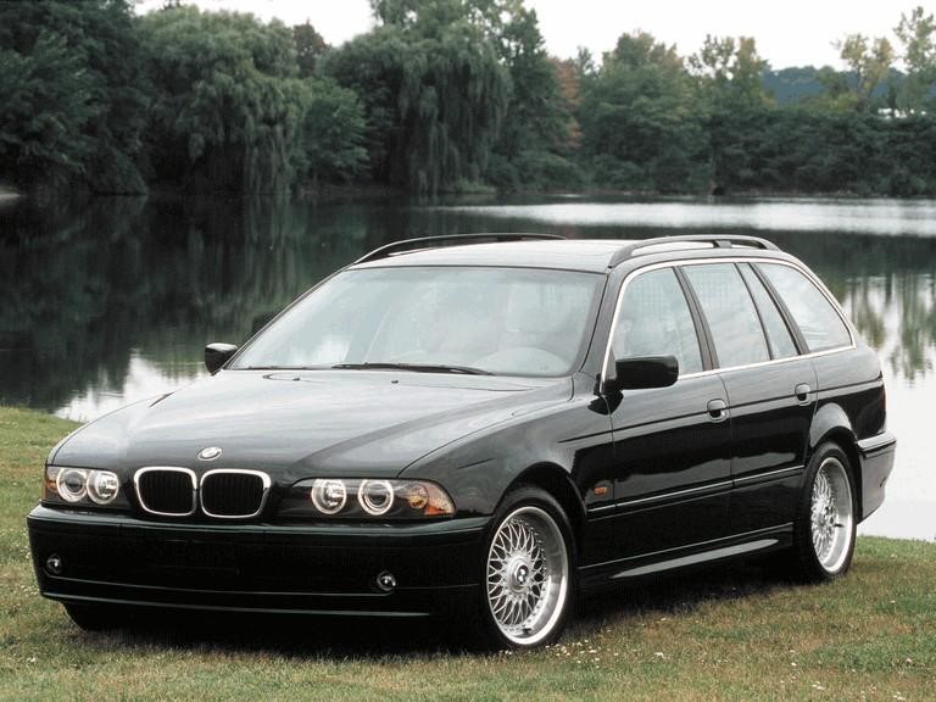
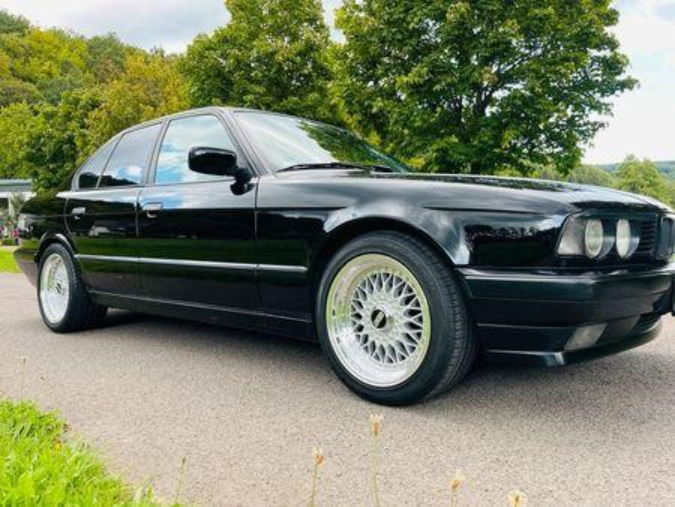
BMW produced several legendary youngtimers during the 1980s and 1990s, especially the E30, E34 and E39 generations.
The BMW E30 M3 is now considered one of the most iconic modern classics ever produced.
Characteristics include:
- Rear-wheel drive dynamics
- Straight-six engines
- Mechanical simplicity
- Strong aftermarket support
Mercedes
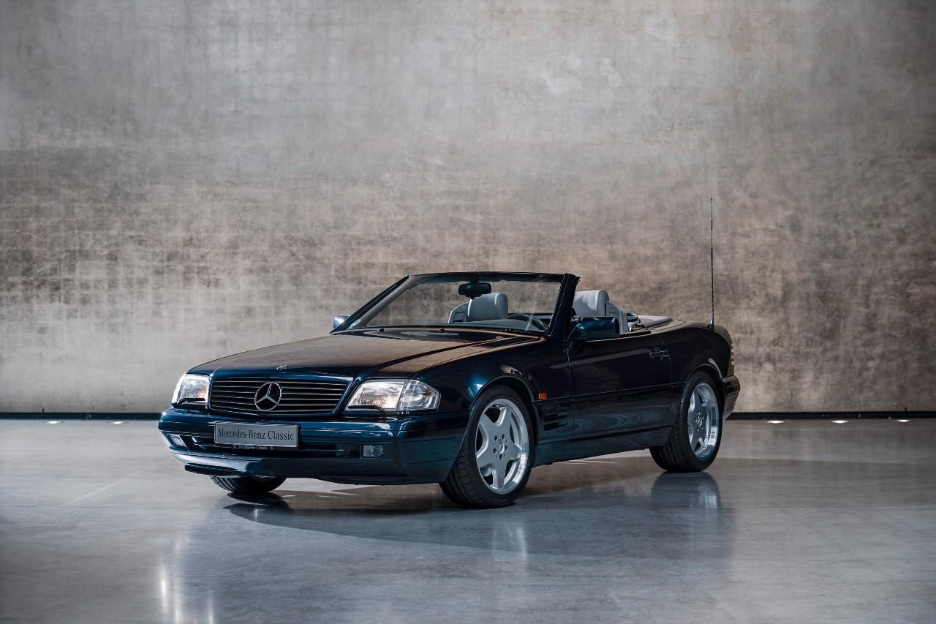
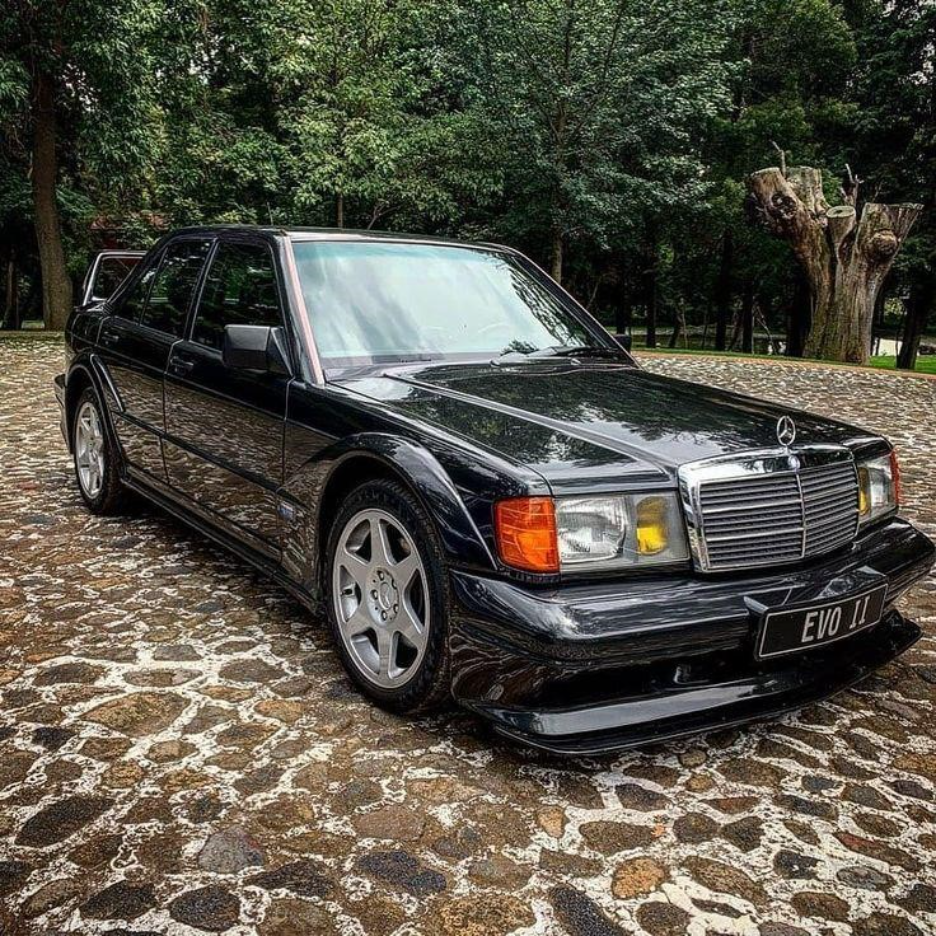
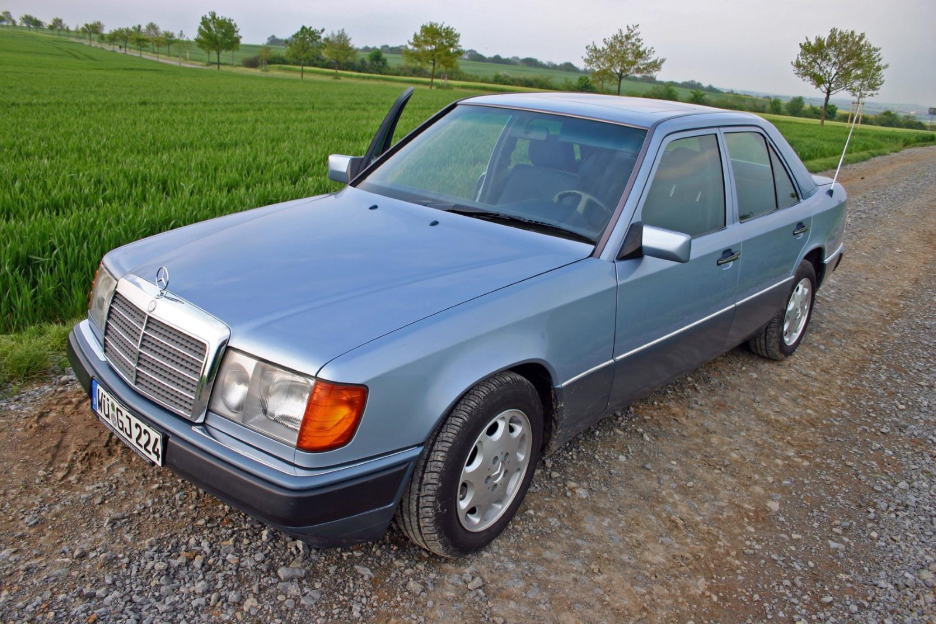
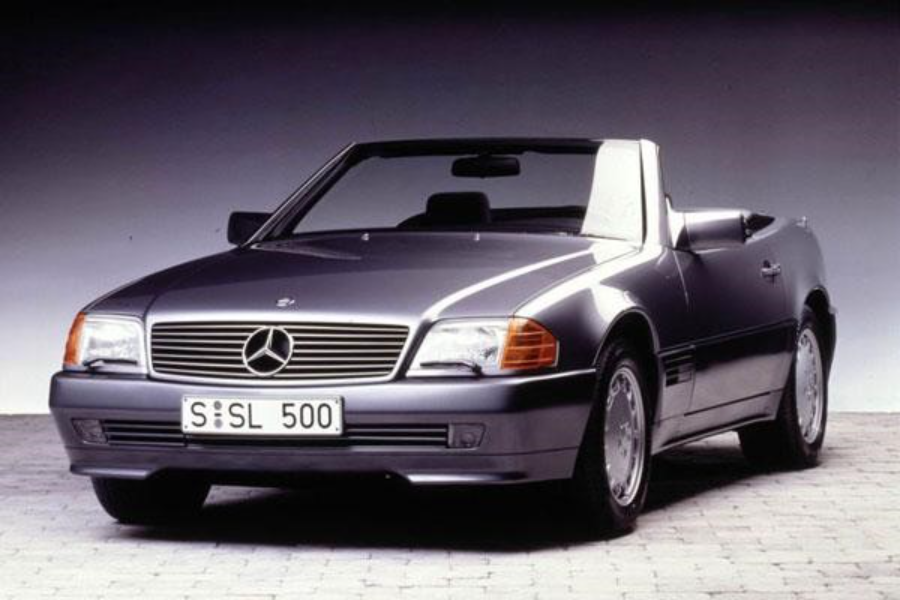
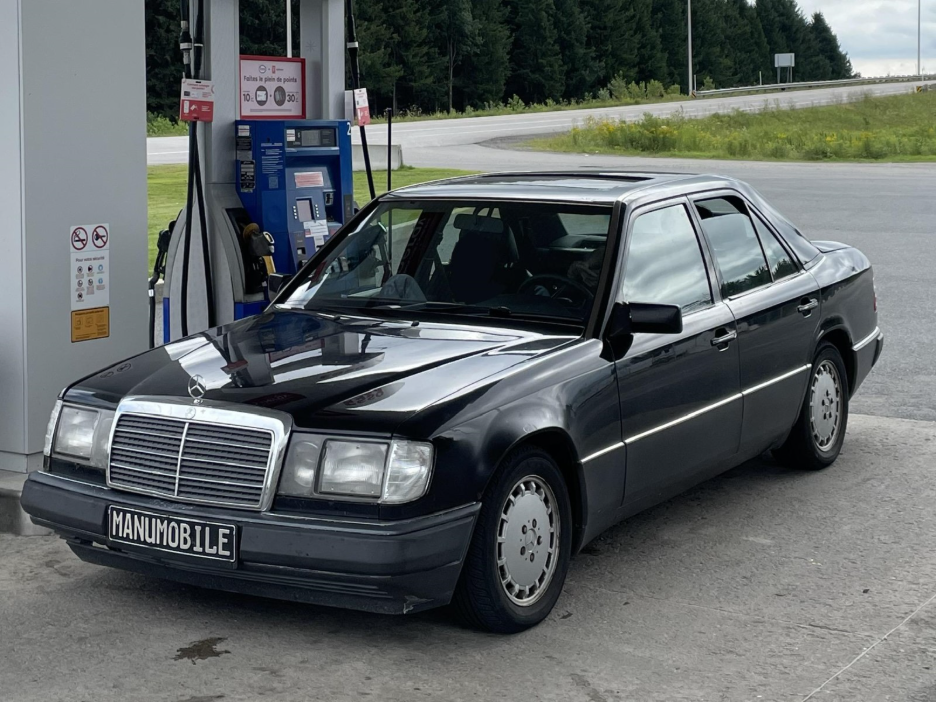
Mercedes-Benz youngtimers are renowned for durability and engineering quality.
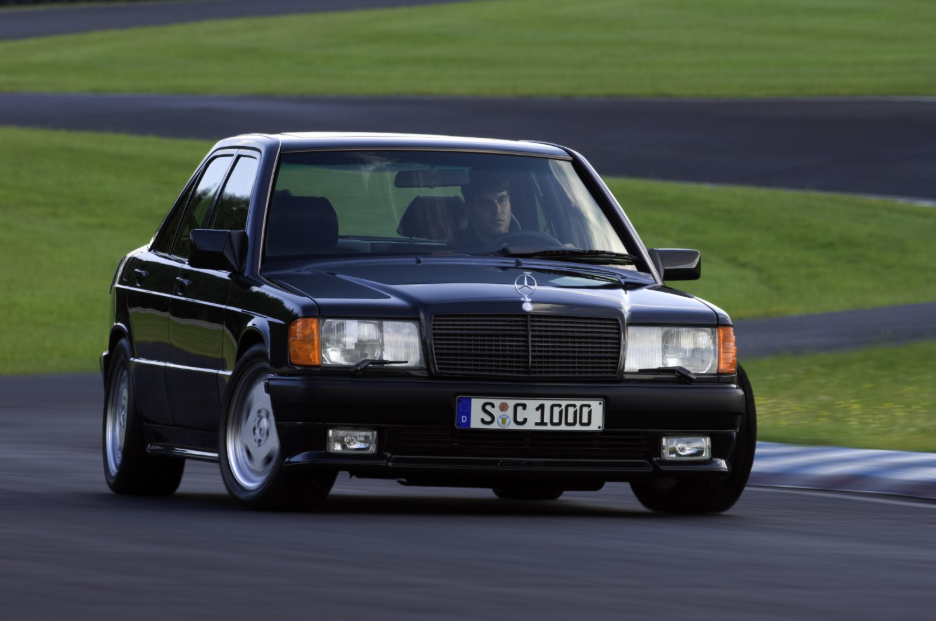
The W124, R129 SL and W201 190E are among the most collectible.
The Mercedes 190E Cosworth models have seen major value increases due to their motorsport heritage.
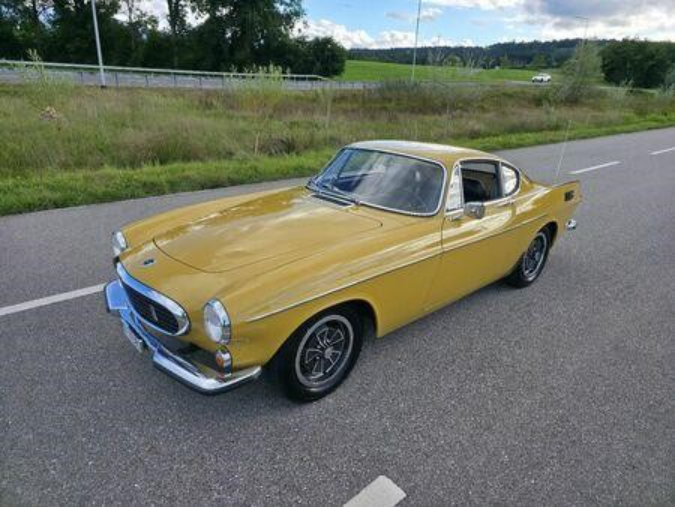
Volvo
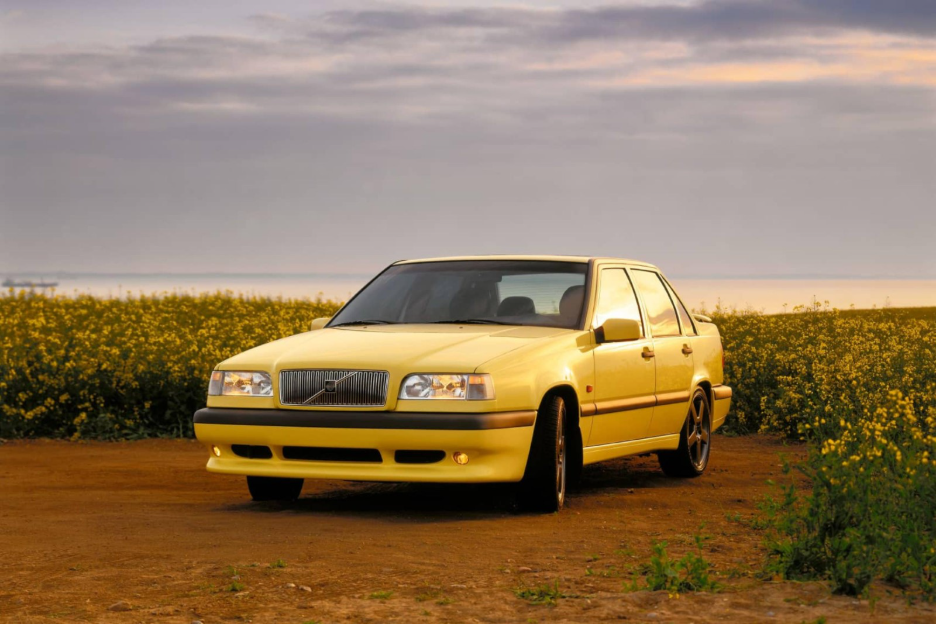
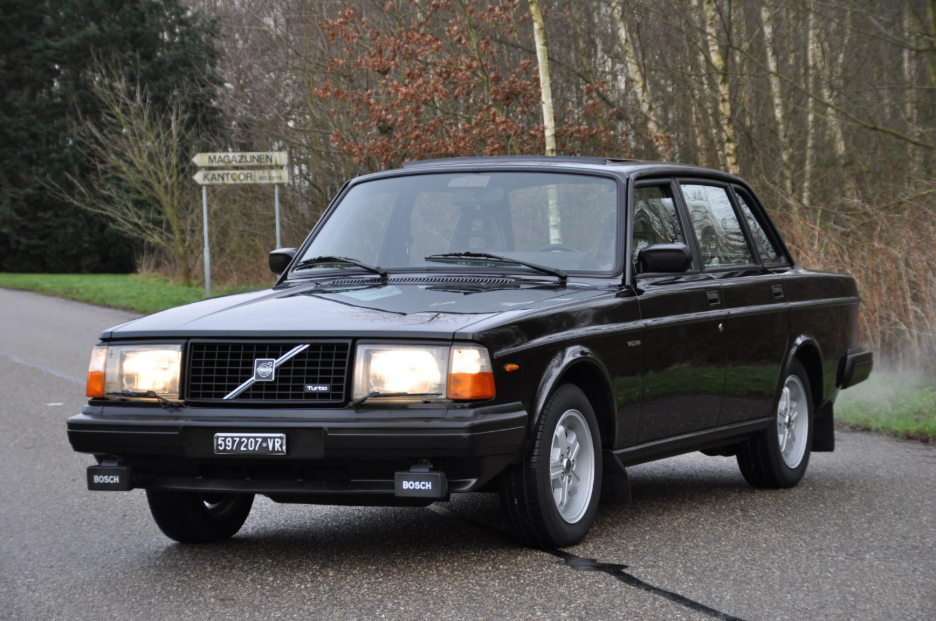
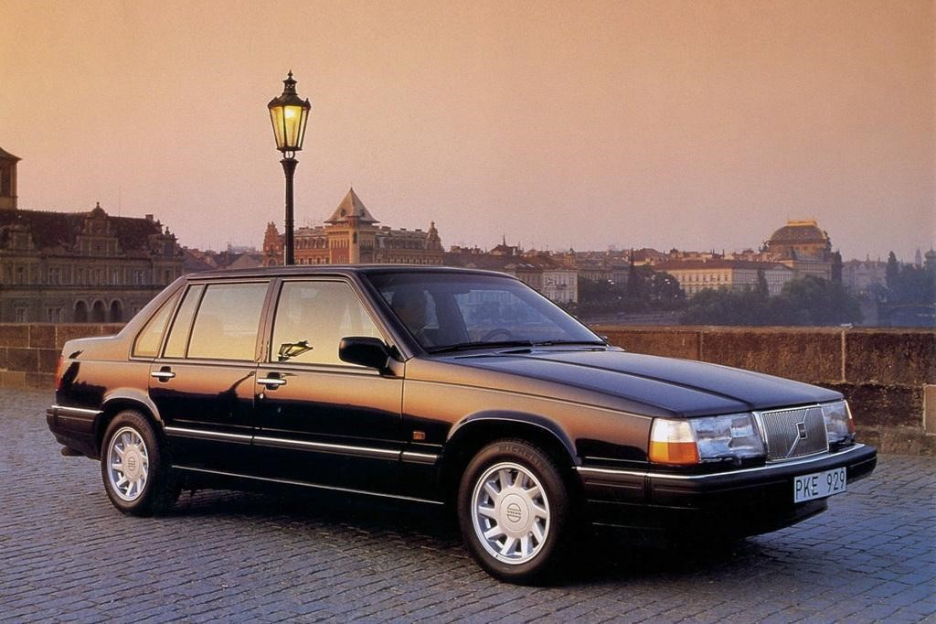
Volvo youngtimers attract enthusiasts seeking reliability and understated Scandinavian design.
The Volvo 850 T-5R and Volvo 240 Turbo are especially respected because of:
- Turbocharged performance
- Exceptional durability
- Practical body styles
- Strong enthusiast communities
Peugeot
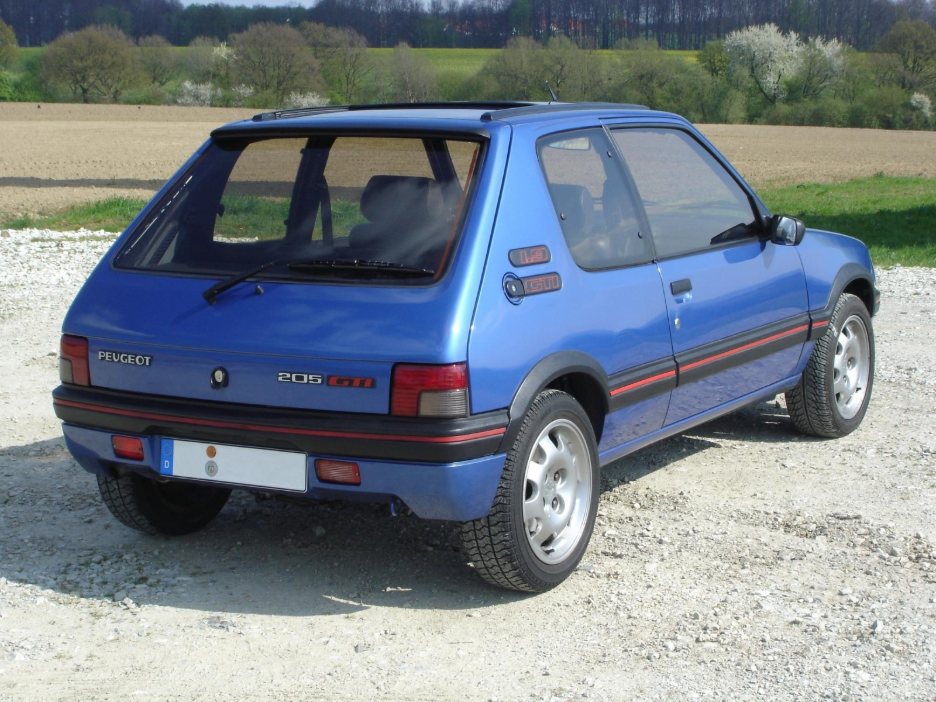
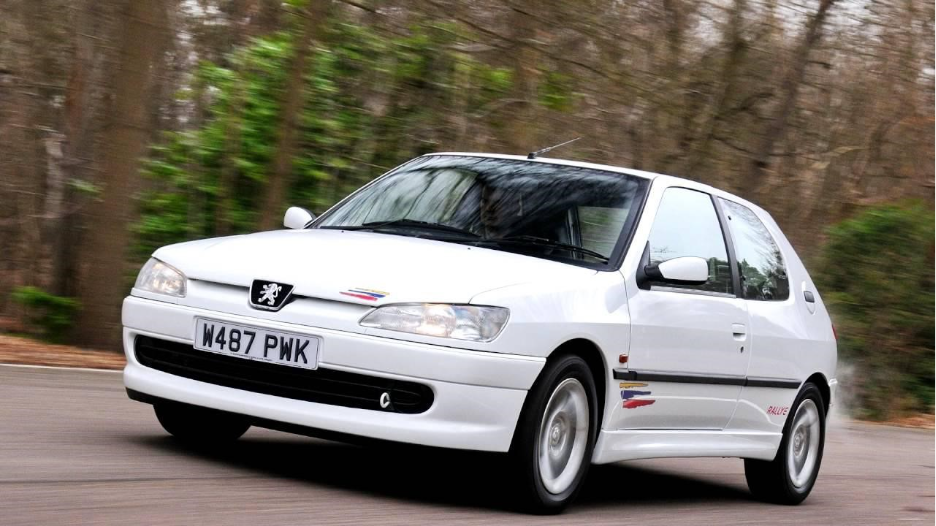
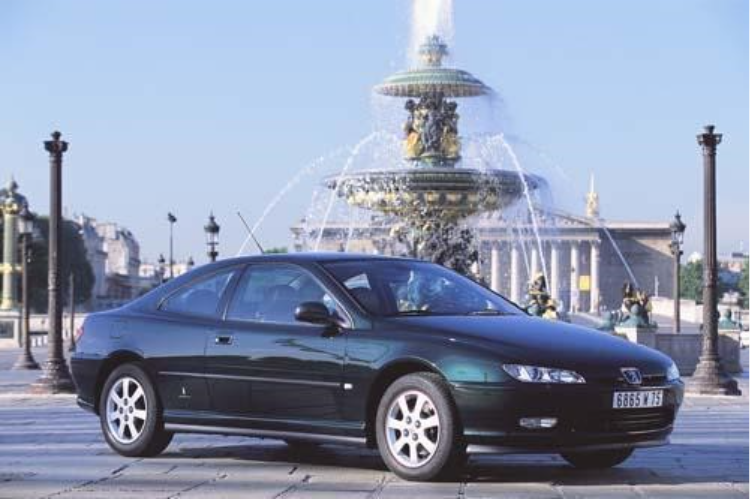
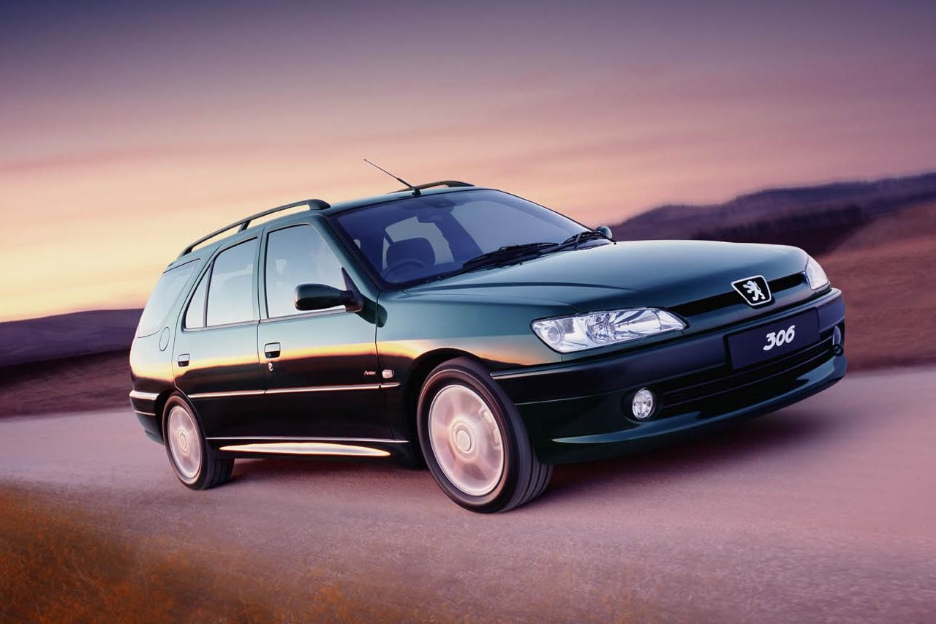
French youngtimers have become increasingly collectible, particularly lightweight hot hatchbacks from the 1980s and 1990s.
Notable examples include:
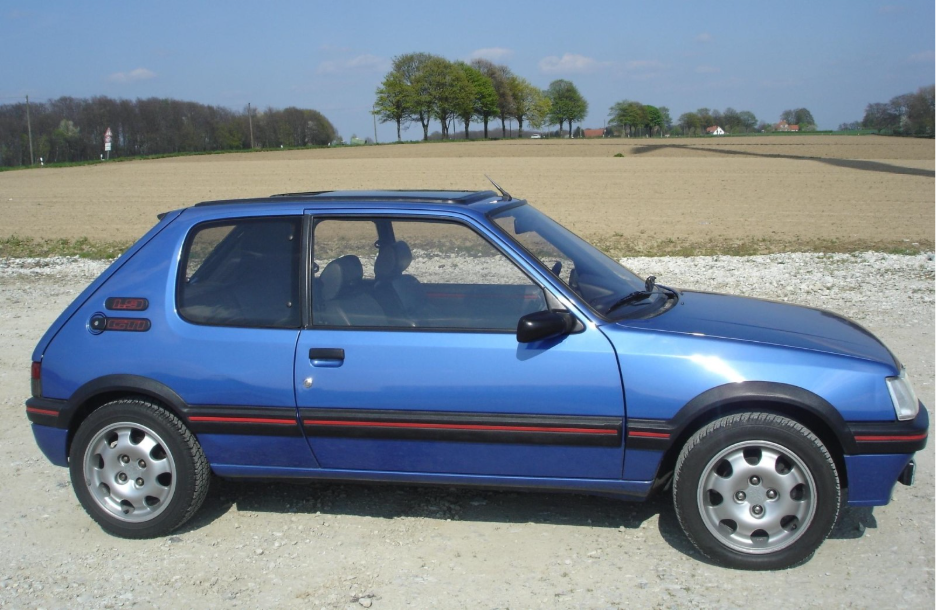
- Peugeot 205 GTI
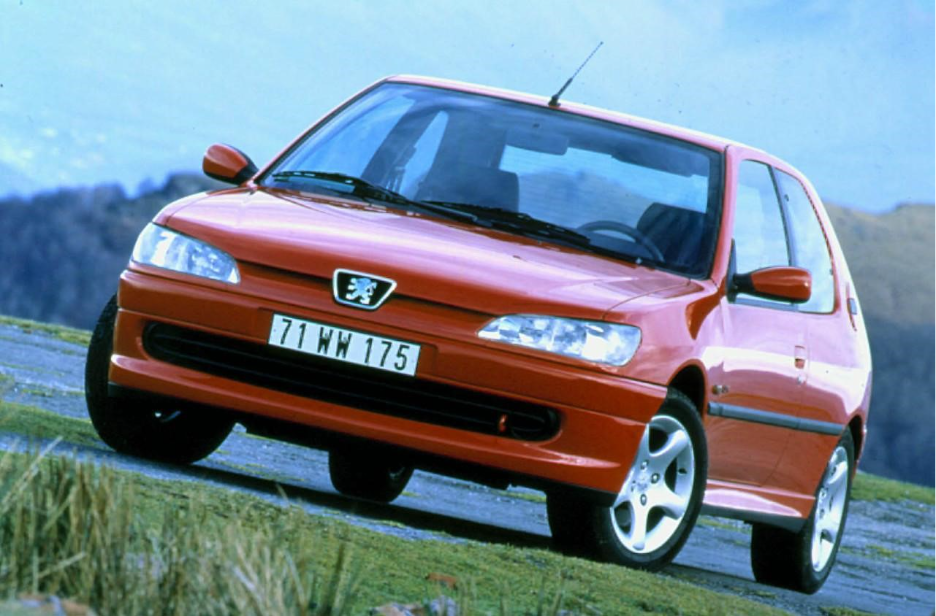
- Peugeot 306 GTI-6
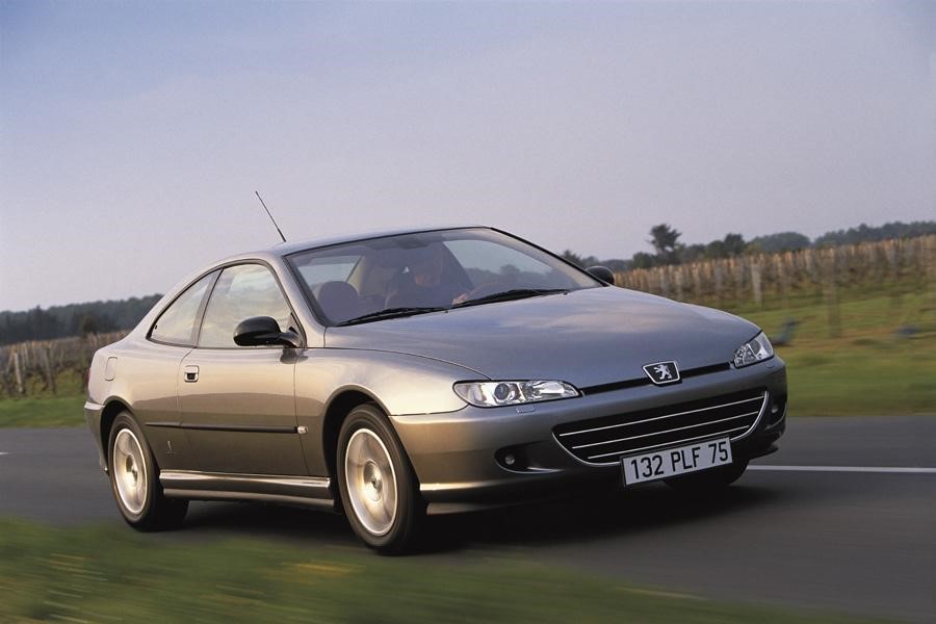
- Peugeot 406 Coupé
The Peugeot 205 GTI is widely considered one of the greatest hot hatches ever made.
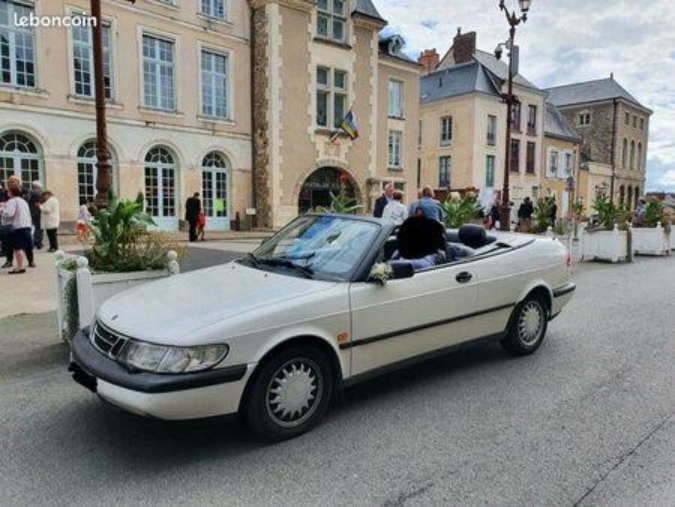
Convertible
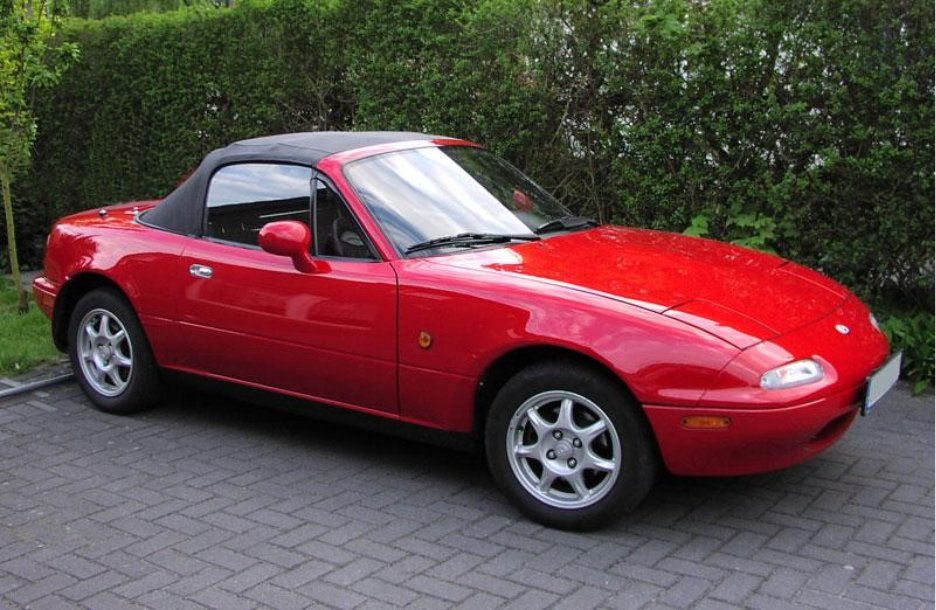
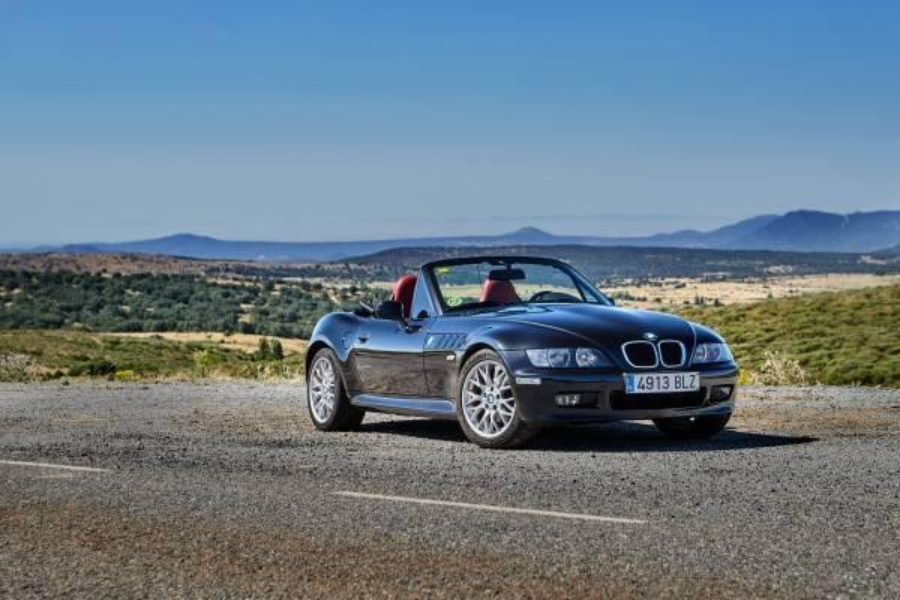
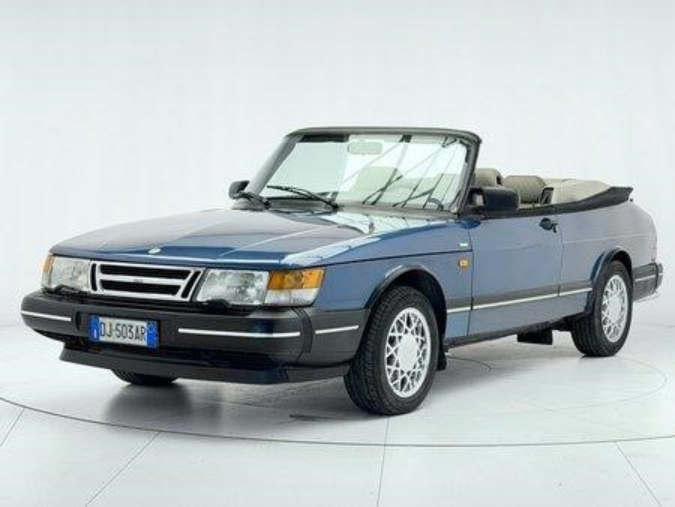
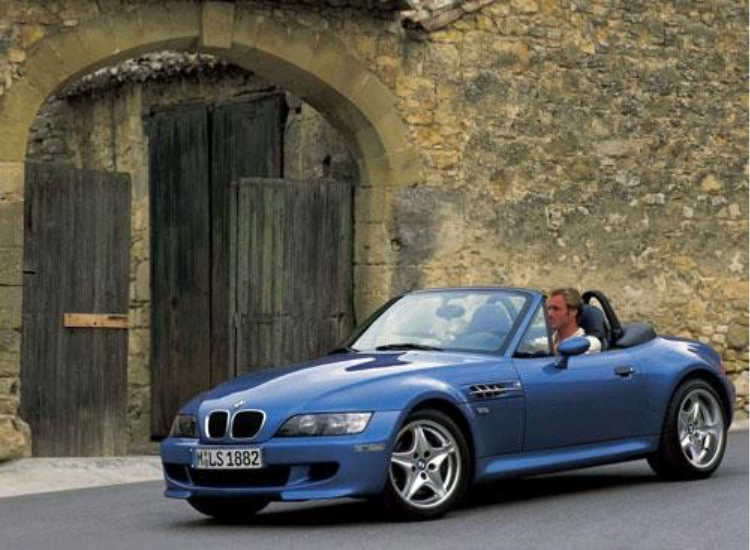
Convertible youngtimers remain extremely popular because they combine nostalgic styling with affordable ownership.
Popular examples include:
- Mazda MX-5 NA
- BMW Z3
- Saab 900 Convertible
- Mercedes SLK R170
These vehicles are valued for:
- Open-top driving experience
- Relatively low purchase cost
- Increasing collector demand
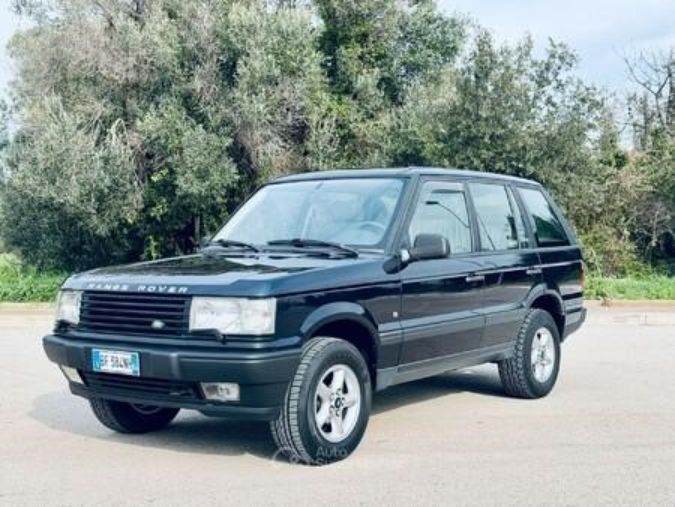
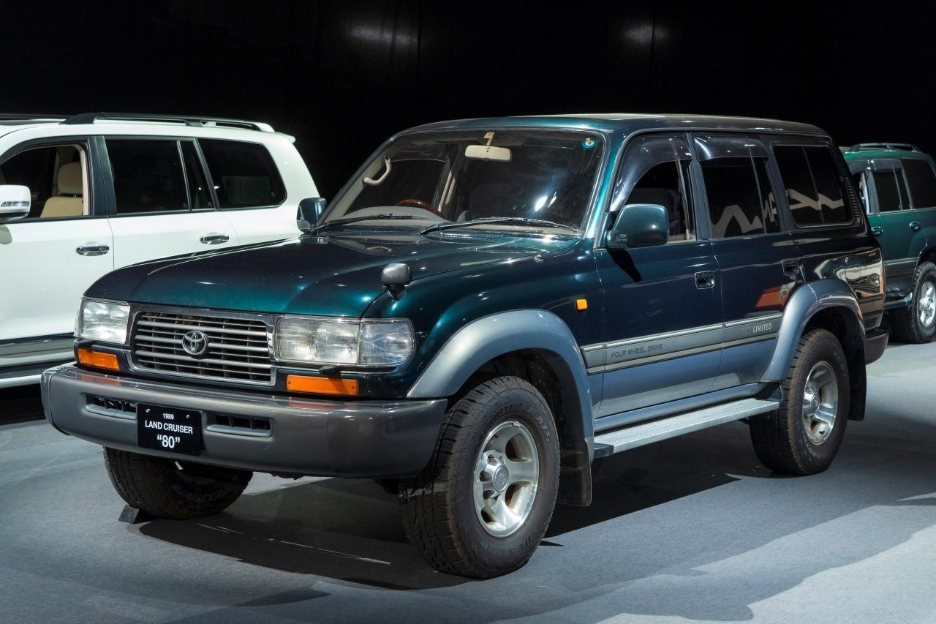
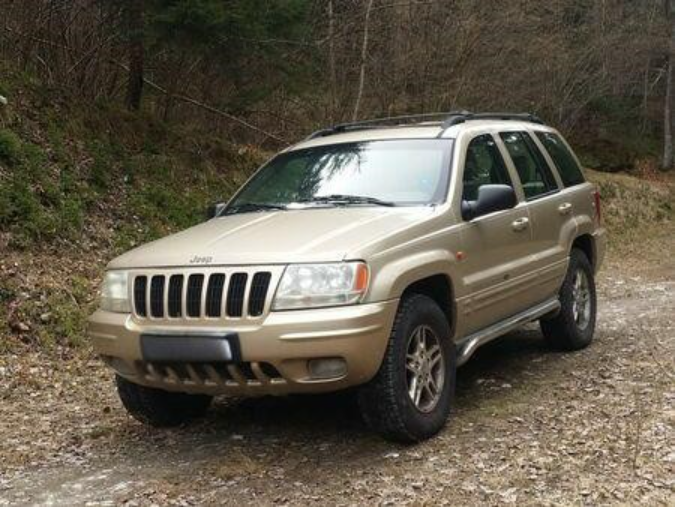
Youngtimer SUV
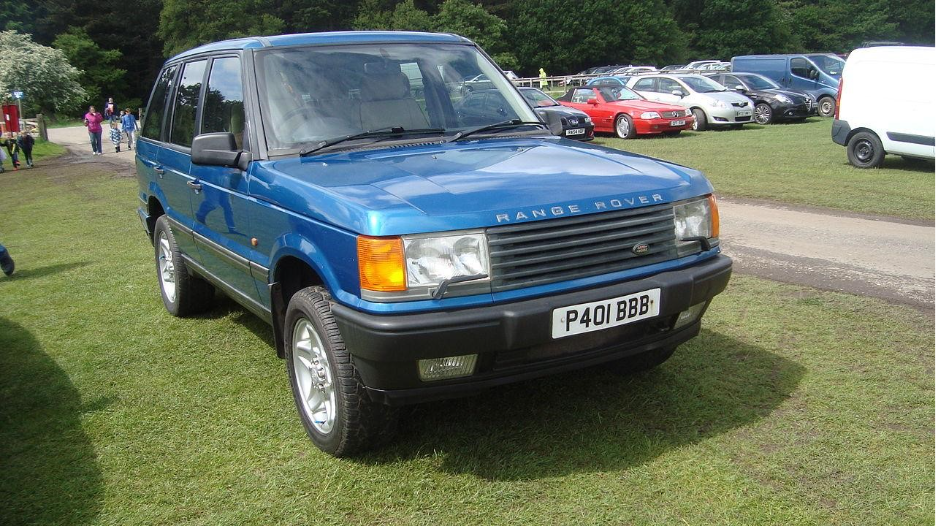
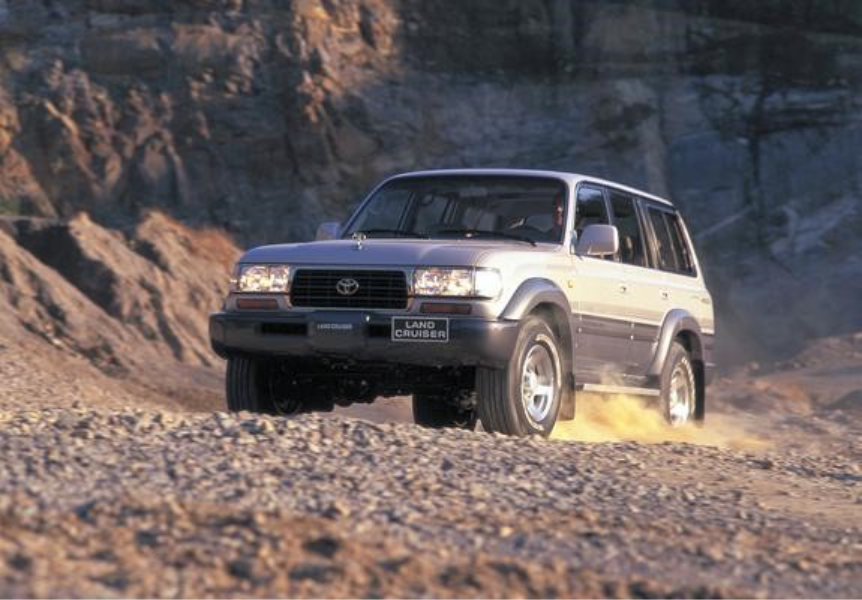
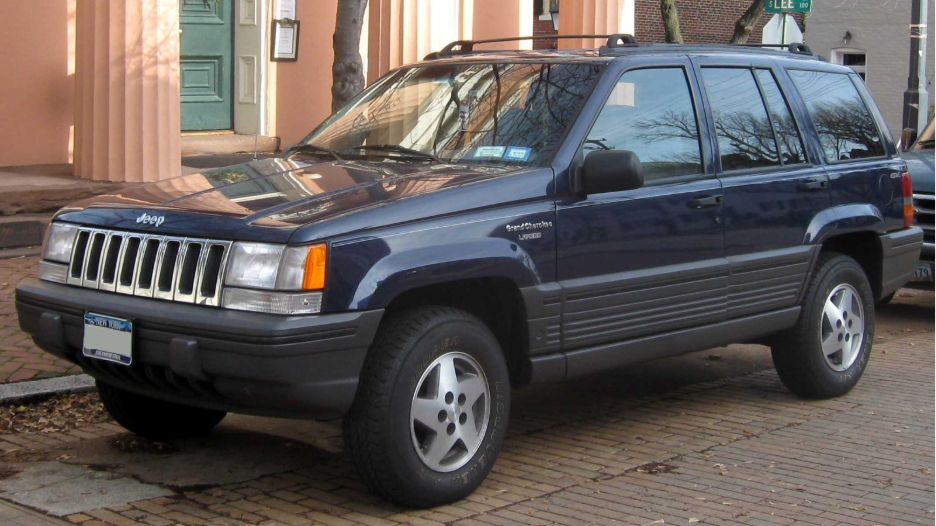
Early luxury SUVs and off-roaders are now entering youngtimer status.
Popular examples include:
- Range Rover P38
- Toyota Land Cruiser J80
- Jeep Grand Cherokee ZJ
- Mercedes ML W163
Collectors value them because they represent the beginning of the premium SUV era.
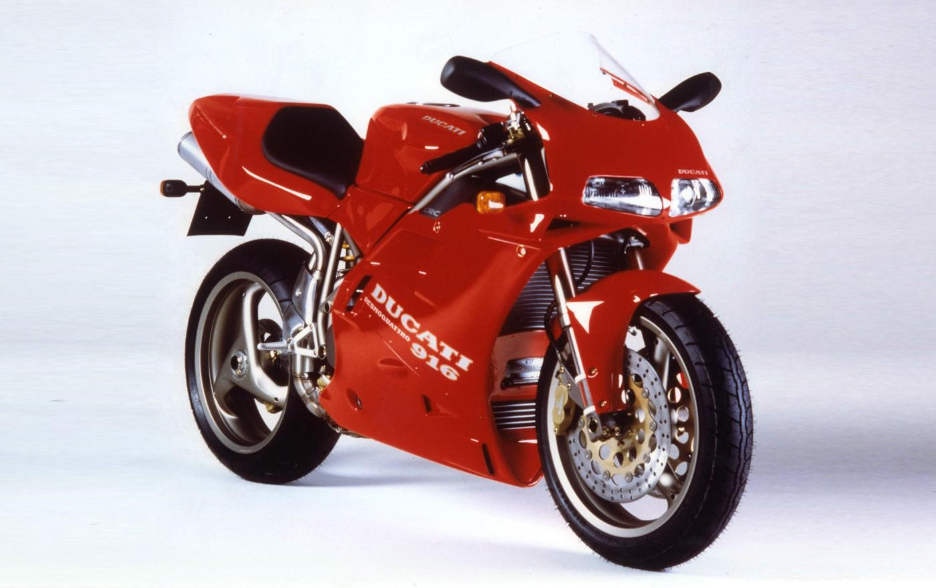
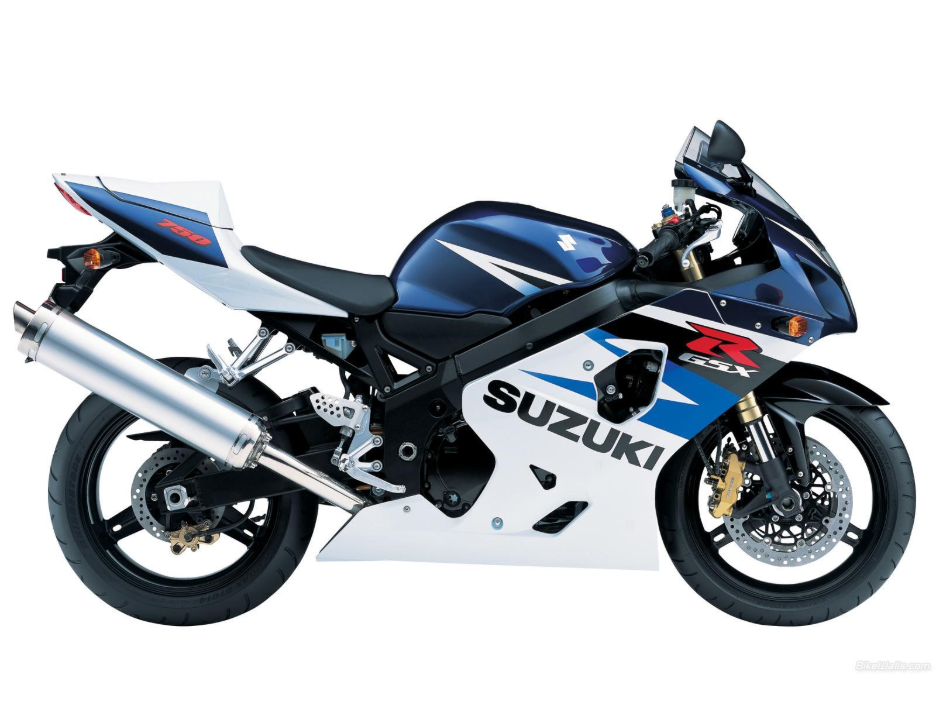
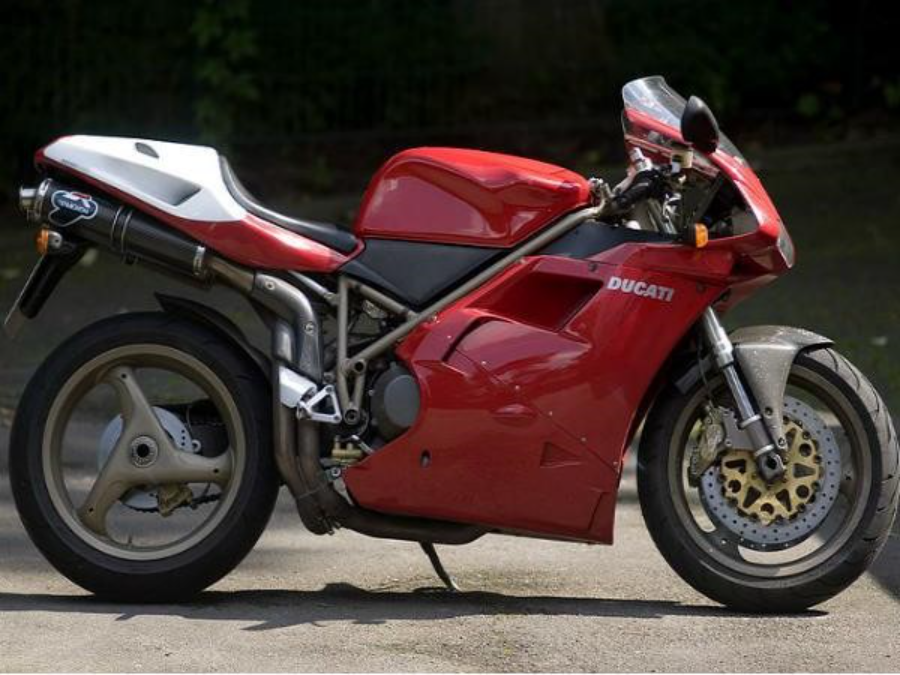
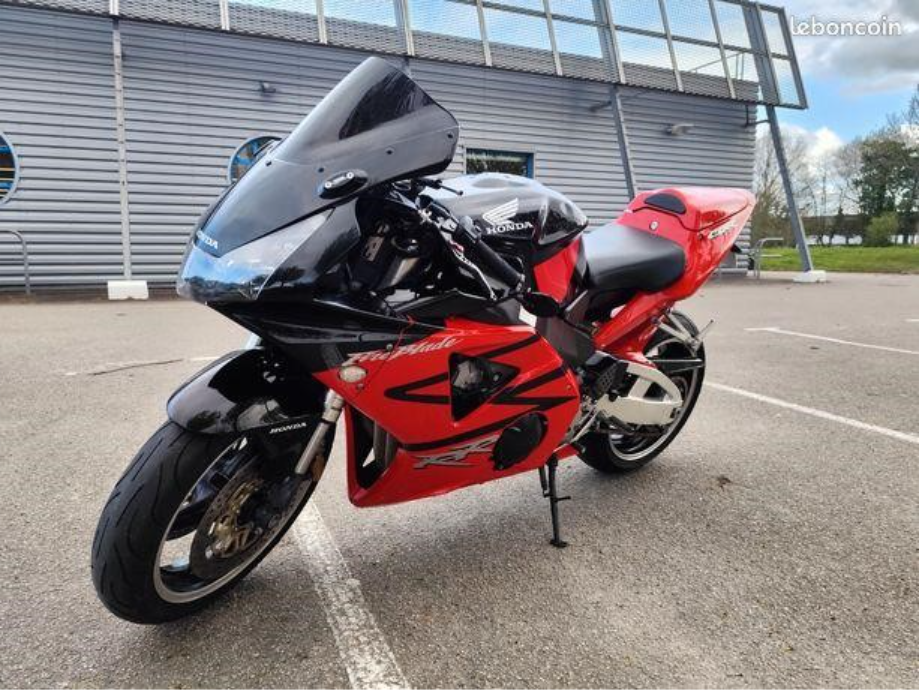
Youngtimer motorbikes
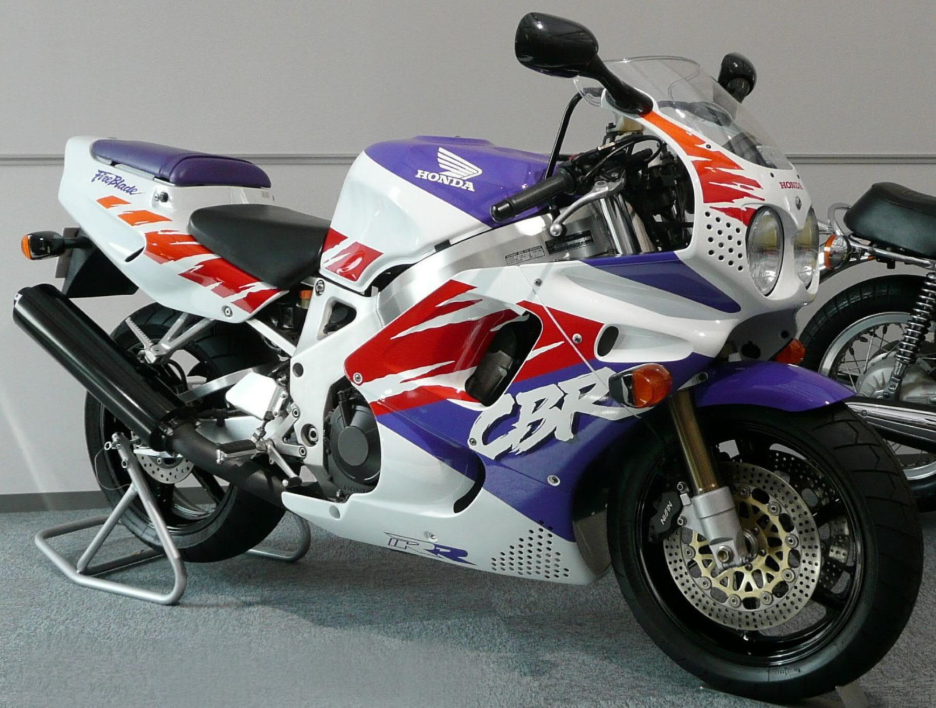
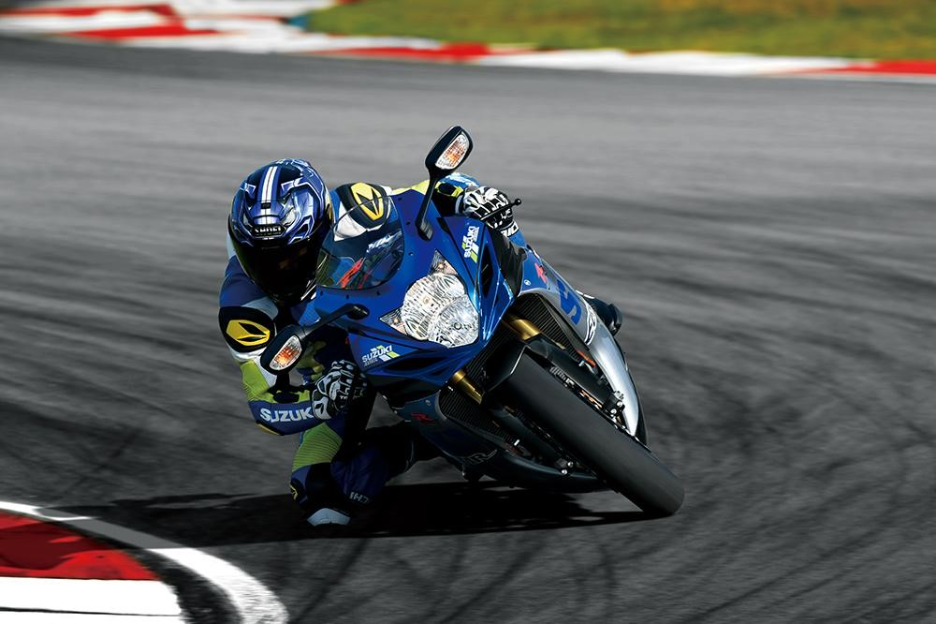
Motorcycles from the late 1980s and 1990s are also increasingly recognised as youngtimers.
Examples include:
- Honda CBR900RR FireBlade
- Yamaha RD350
- Suzuki GSX-R750
- Ducati 916
Collectors appreciate these bikes because they represent the transition from analogue motorcycles to modern electronic superbikes.
Youngtimers continue to grow in popularity because they combine nostalgia, usability and investment potential.
While they do not yet enjoy the legal advantages granted to historic vehicles, they are increasingly viewed as the future classics of the automotive world.
Their rising values, distinctive character and mechanical authenticity make them particularly attractive to collectors and enthusiasts seeking an alternative to modern vehicles.


