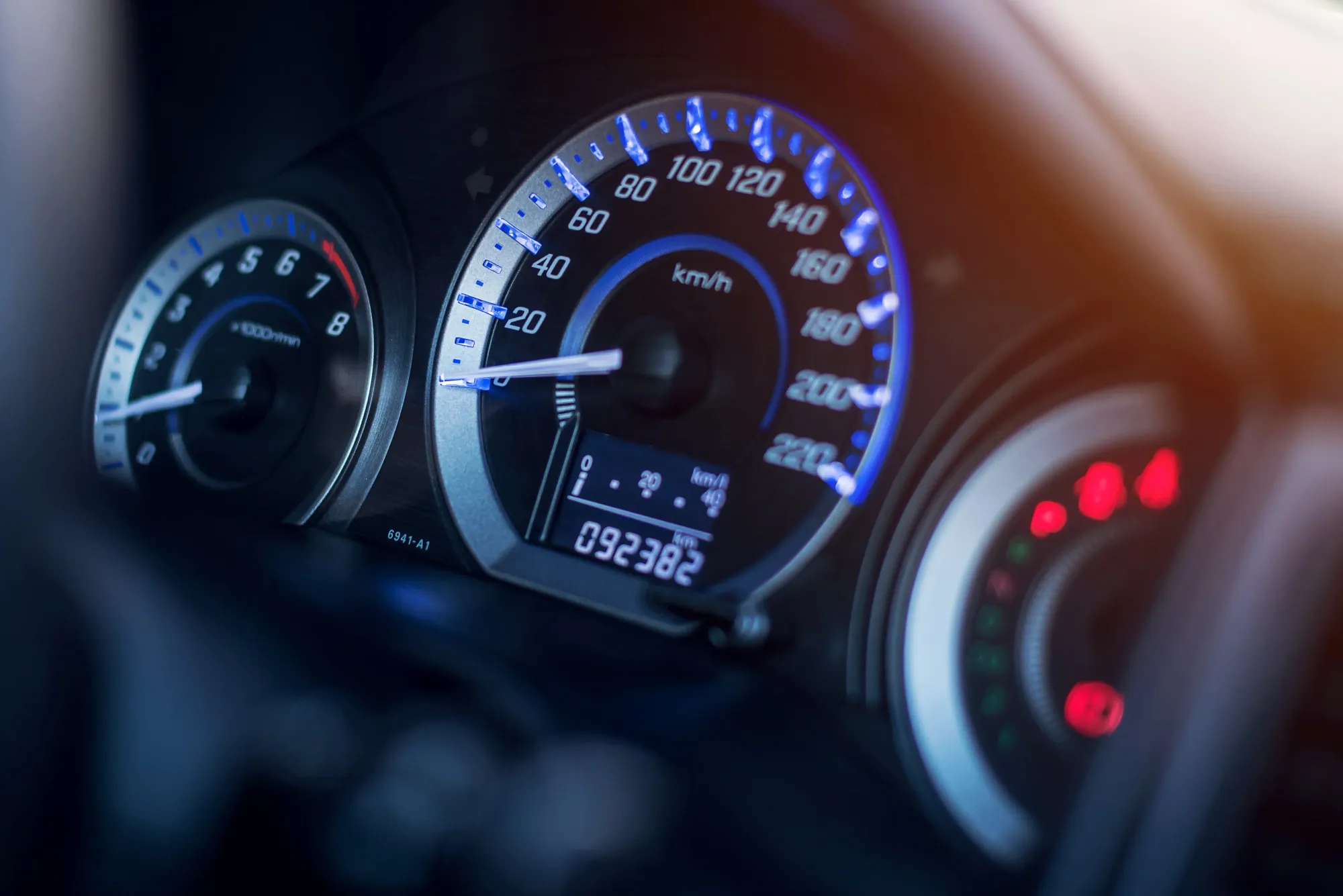
The UK Government has announced that, from April 2028, drivers of electric vehicles (EVs) and plug-in hybrids (PHEVs) will be subject to a new mileage-based tax regime called eVED (Electric Vehicle Excise Duty).
What does this tax on electric vehicles consist of?
Under this regime, drivers of electric and hybrid vehicles will continue to pay the usual road tax, the Vehicle Excise Duty (VED), and will also pay a fee based on the number of kilometres they travel.
The government says the aim is to restore fairness.
While petrol and diesel vehicle drivers pay a fuel tax for every kilometre travelled (as they use fuel), electric vehicle drivers pay little or nothing in variable taxes.
As more people switch to electric cars, fuel tax revenues are declining, hence the need to find a new way to ensure that all drivers contribute to road maintenance.
The plan is currently subject to public consultation (open until March 2026) to refine its design and address issues related to its implementation.
How much will it cost?
The current proposal is:
- For fully electric cars (EVs), the rate will be 3 pence per mile.
- For plug-in hybrids (PHEVs), the rate will be 1.5 pence per mile.
- This means that for a “typical” EV driver who travels around 8,000 miles per year, the cost will be around £240 per year, before VED.
- These rates are approximately half of what a petrol or diesel driver currently pays in fuel tax per mile.
- The eVED rate will be indexed to inflation (CPI) from 2029-30, meaning that the rate per mile could increase in future years.
Of course, the total cost depends on how many miles are driven.
For drivers who travel few kilometres, the additional cost may be modest; for regular users, it could be considerable.
How to pay for it
The planned approach for the eVED is as follows: when you renew your annual VED (road tax), you will also declare an estimate of the kilometres you expect to drive in the next 12 months.
You will then be able to pay the corresponding eVED tax in advance, either in a single payment or through a payment plan (e.g. monthly direct debit).
At the end of the year (or when your annual car inspection is due), you will submit your actual odometer reading.
If more kilometres have been driven than declared, the payment will be completed; if fewer kilometres have been driven, a credit or refund/compensation will be obtained for the following year.
It is important to note that the Government states that this will not involve GPS tracking, black boxes or continuous monitoring of when or where you drive; only the total mileage matters.
The system will be administered by the DVLA (as is the current VED).
What to expect
Revenue and road funding
The government intends for the eVED to help cover the looming deficit in public finances due to declining fuel tax revenues.
According to forecasts, the eVED could raise £1.2 billion per year once it is widely adopted.
The consultation document explicitly states that the eVED is intended to replace lost fuel tax revenue, meaning that electric vehicle drivers will contribute to road maintenance in proportion to the distance they travel.
This tax is expected to generate around £7 billion per year at current prices by 2050-51.
Potential impact on demand for electric vehicles
Although the per-mile charge for electric vehicles is lower than the effective cost per mile for petrol cars, the additional cost, especially for high-mileage drivers, may reduce some of the financial appeal of electric vehicles.
Some industry observers warn that it could slow the adoption of electric vehicles or make ownership less attractive.
This could compromise the British government's goal of phasing out petrol vehicle sales by 2030, five years ahead of the European Commission's target.
What is still under discussion
Many details still need to be finalised through public consultation, which will continue until March 2026.
Outstanding issues include how mileage will be verified (especially for new cars that do not need to pass an MOT test for the first few years), how rental or company cars will be treated, and what happens if you drive abroad.
The government has emphasised that privacy will be protected, with no need for tracking devices or constant surveillance.
Helpful Resources:
Consultation on the Introduction of Electric Vehicle Excise Duty (eVED) - HM Treasury


