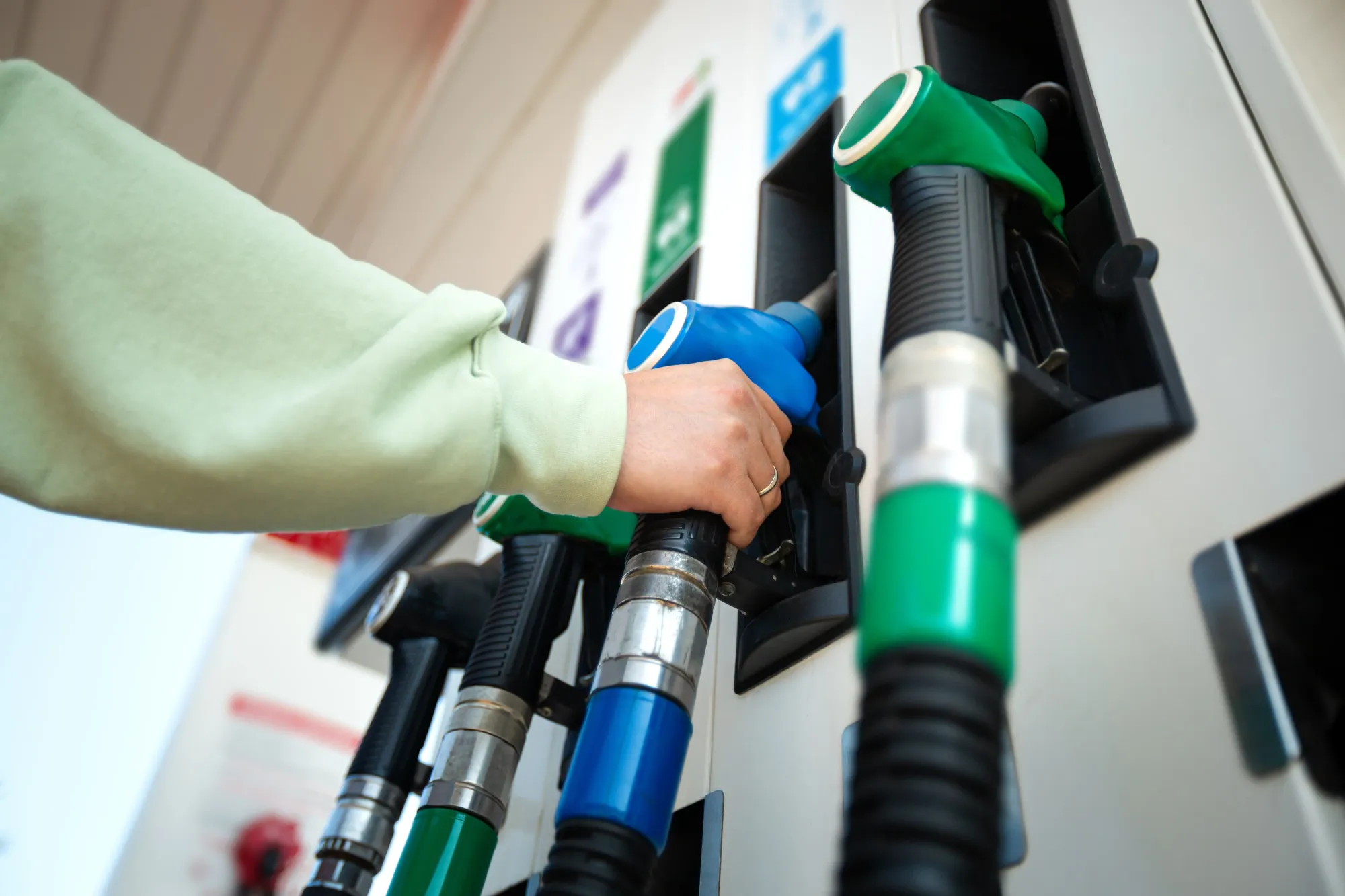
Choosing between diesel or petrol depends on how you intend to use the vehicle.
For long distances and long journeys, diesel is usually more cost-effective; for short journeys and urban use, petrol is usually more practical and economical in the short term.
Characteristics of diesel engines
Diesel engines operate by means of compression ignition, without spark plugs. The fuel ignites when compressed inside the cylinder.
Main characteristics
- Greater thermal efficiency.
- Lower fuel consumption.
- Higher torque at low revs.
- More robust construction.
- Incorporation of anti-pollution systems such as particulate filters (DPF/FAP).
Advantages of diesel
- Lower fuel consumption on the motorway.
- Ideal for drivers who travel many kilometres per year.
- Better response under heavy loads (SUVs, estate cars, vans).
- Greater mechanical durability (under optimal conditions of use).
Disadvantages of diesel
- Higher purchase price.
- Potentially more expensive maintenance.
- Problems if used only for short journeys (particulate filter saturation).
- More frequent environmental restrictions in some European cities.
Characteristics of petrol engines
Petrol engines use spark ignition, with spark plugs igniting the air-fuel mixture.
Main characteristics
- Smoother and quieter operation.
- Better performance at high revs.
- Generally lower purchase price.
- Less complex anti-pollution systems.
Advantages of petrol
- Lower initial price.
- Ideal for short journeys and urban use.
- Lower regular maintenance costs.
- Faster cold start.
Disadvantages of petrol
- Higher fuel consumption compared to diesel.
- Lower torque at low revs.
- May be less efficient on frequent long journeys.
Conclusion
There is no universally better option.
- Diesel: recommended if you drive many kilometres per year, make frequent long journeys and are looking for fuel efficiency.
- Petrol: better option for urban use, short journeys and drivers who do not exceed many kilometres per year.
The key is to analyse your driving pattern and calculate the total cost (purchase + fuel + maintenance + taxes).
Frequently Asked Questions
We answer all the most common questions about the differences between diesel and petrol vehicles.
Which pollutes more, diesel or petrol?
It depends on the type of pollutant. Diesel emits less CO₂ per kilometre, but has traditionally generated more nitrogen oxides (NOx) and particulates.
Modern engines with anti-pollution systems have significantly reduced these emissions.
Which is more expensive, diesel or petrol?
Diesel vehicles are usually more expensive to buy.
As for fuel, the price varies from country to country, but diesel tends to have lower consumption, which can pay off in the long run if you drive a lot of kilometres.
In the long term, which is better for the engine?
Diesel engines are designed to withstand higher pressures and tend to have a longer service life, especially when driving on the motorway.
However, misuse (only short journeys) can lead to costly breakdowns.
Which is better for occasional use? And for everyday use?
- Occasional use: petrol.
- Daily use with high mileage: diesel.
Which is better for city driving? And for long journeys?
- City: petrol.
- Long journeys and motorway: diesel.
Which option requires less maintenance?
In general, petrol has fewer specific expensive components (such as the diesel particulate filter), which can translate into lower maintenance costs.
Does driving style influence the choice?
Yes. Smooth, motorway driving favours diesel; urban driving with frequent stops favours petrol.
What about environmental restrictions?
Some European cities apply stricter restrictions to older diesel vehicles. It is important to check local regulations before deciding.
Which loses less value over time?
Traditionally, diesel has held its resale value better in Europe, although this trend is changing with the rise of hybrid and electric vehicles.
Is it better to wait for a hybrid or electric vehicle?
It depends on your budget and access to charging points. If you mainly drive in the city, a hybrid may be an interesting intermediate alternative.


