The name Nissan comes from the abbreviation of the Japanese words Nihon (Japan) and Ssangyo (industry), marking the brand's national and industrial identity from its origins.
Officially founded in 1933 in Yokohama, Nissan established itself as a pioneer in mass production and global export, initially using the Datsun brand to conquer international markets, particularly the United States.
Despite its historical legacy, Nissan has experienced difficult years since the mid-2020s.
Europe, one of its key markets, has seen a decline in traditional demand, forcing Nissan to redesign its product and efficiency strategies to strengthen its position.
Towards electrification

Nissan is betting heavily on electrification with several strategic fronts:
Arc Plan: 30 new models by 2026
The brand has launched the ambitious Arc Plan, with the intention of introducing up to 30 new models by fiscal year 2026-27, 16 of which will be electrified, including pure electric and electro-hybrid variants.
The aim is to revitalise the range, increase sales and reduce production costs, moving closer to price parity between electric and combustion vehicles in the coming years.
New electric vehicles for Europe and the world
Among the most eagerly awaited models for 2026 are:
- New generation of the Nissan LEAF, revised with technological improvements, greater range and updated design to remain a benchmark in electrification.
- The return of the Nissan Micra as a 100% electric vehicle, sharing a platform with other electric vehicles in the group, designed especially for the European urban market.
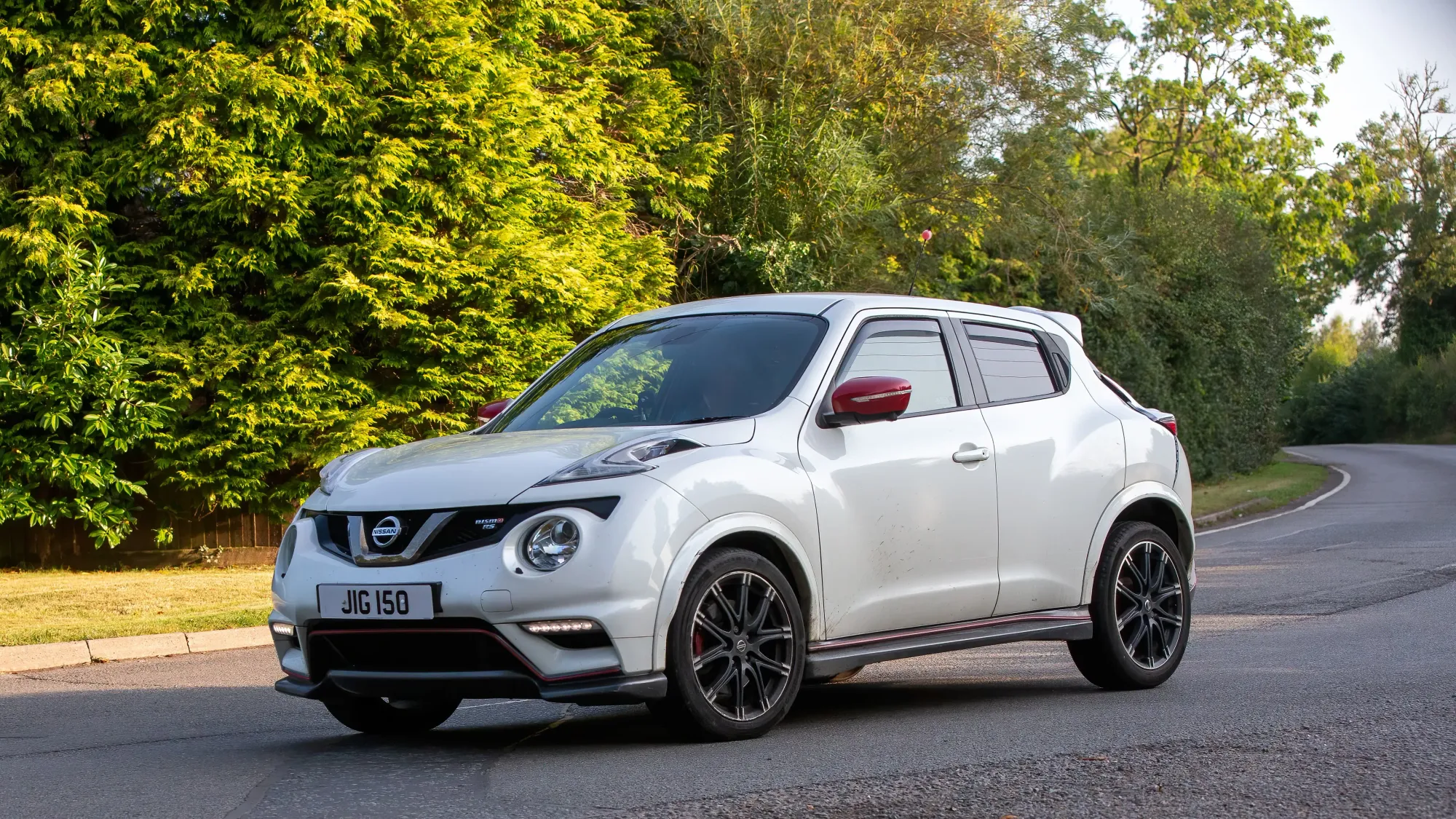
- Transformation of the Nissan Juke towards electrification, marking one of the brand's most talked-about design and concept changes for 2026.
- Other electric vehicles yet to be detailed will be added to a range that Nissan wants to make more competitive in the EV segment.
In addition, Nissan plans to diversify its battery types, including NCM lithium-ion, LFP and future solid-state packs with faster charging and higher energy density.
Full electrification in Europe
Nissan plans for all its future launches to be 100% electric as part of its electrification strategy towards 2030, gradually phasing out combustion engines and hybrids to focus on pure electric propulsion.
Artificial intelligence and advanced driving: partnership with Wayve
Autonomous and assisted driving technology is another pillar of Nissan's strategy for the coming years.
In December 2025, Nissan signed a strategic agreement with British artificial intelligence company Wayve to integrate its Wayve AI Driver software into Nissan's advanced driver assistance systems (ADAS).
This collaboration seeks to evolve ProPilot technology towards more sophisticated assistance capabilities, anticipating a near future of intelligent driving
The plan is for this new generation of AI-assisted assistance to reach the market in 2027 in selected models, starting in Japan and subsequently expanding to global markets.
AI will not only improve roadside assistance, but will also be able to adapt to complex and diverse urban environments, offering safer and more intuitive driving.


