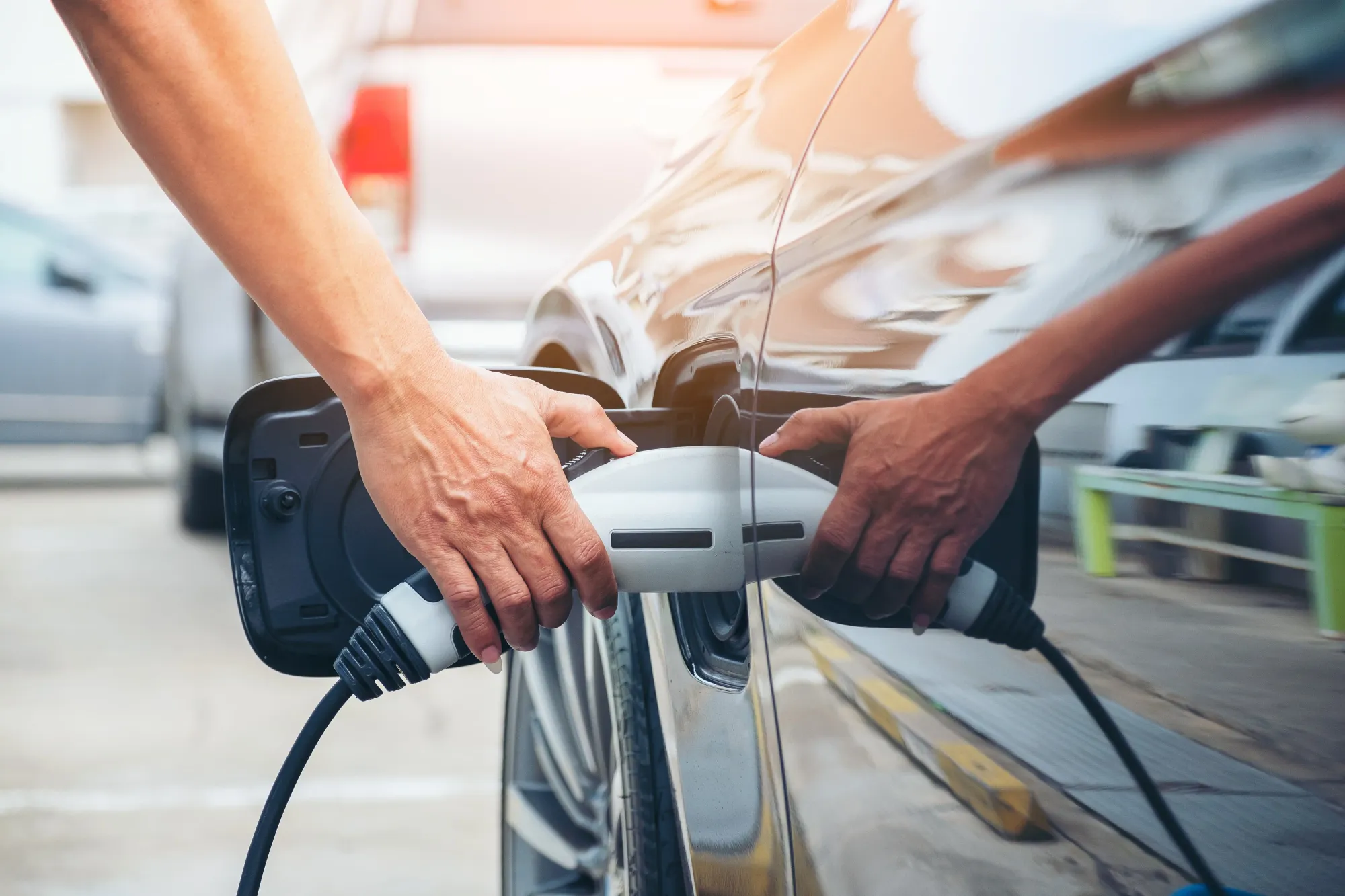
Maintaining an electric car is, in general, simpler and cheaper than maintaining a combustion engine vehicle.
It has fewer moving parts, requires no oil or many of the traditional consumables, but still requires key checks to ensure its safety, efficiency and lifespan.
What maintenance does an electric car require?
Although electric cars greatly simplify maintenance, they are not exempt from care.
These are the main components to check:
- High-voltage battery
- This is the most important component.
- Its state of health (SoH) and capacity are monitored.
- It does not usually require direct maintenance, but it does require periodic diagnostics.
- Braking system
- Brakes wear less due to regenerative braking.
- Even so, brake pads, discs and brake fluid must be checked.
- Tyres
- They tend to wear out faster due to the greater weight and instant torque.
- Check pressure and wear regularly.
- Cooling system
- It cools the battery and the electronics.
- It is essential to check the coolant level and for any leaks.
- Cabin filter
- Just like in any car.
- It is recommended to change it periodically to maintain air quality.
- Suspension and steering
- These suffer wear due to the vehicle’s weight.
- Periodic checks are recommended.
- Vehicle software
- Updates that improve efficiency, range and safety.
- These are often carried out automatically (OTA).
What can the owner check?
The owner can check the following items:
- Check the tyre pressure
- Check the windscreen washer fluid level
- Monitor the battery condition (range, degradation)
- Maintain proper charging habits (avoid constant extreme charging)
What should be done at a garage?
At the garage, the following should be checked:
- Diagnosis of the battery and electrical system
- Check of brakes and suspension
- Replacement of fluids (brakes, coolant)
- Checking electronic and safety systems
How much does it cost?
Maintaining an electric car is usually cheaper than maintaining a combustion engine vehicle, mainly because it has fewer mechanical parts exposed to wear and tear and eliminates routine tasks such as oil changes or engine filter replacements.
Generally speaking, the cost depends on several factors:
- Vehicle usage: the more kilometres driven, the greater the wear and tear on tyres, brakes or suspension.
- Driving style: aggressive driving increases wear and tear, particularly on tyres.
- Model and make: some manufacturers have lower maintenance costs than others.
- Conditions of use: weather, type of journeys (city or motorway) and charging frequency.
Even so, as a rough guide:
- Annual maintenance for an electric car usually ranges between €100 and €300.
- For a petrol car, this cost can rise to €300–800 or more, due to more complex servicing.
In summary, although not non-existent, the maintenance of an electric car is more predictable, simpler and generally cheaper, especially in the long term.
Maintenance costs: electric car vs petrol car
- Electric car
- Fewer parts means fewer breakdowns
- No oil changes or engine filters
- Approximate annual cost: 30%–50% lower
- Petrol car
- Oil changes, filters, spark plugs
- Greater mechanical wear
- More frequent and costly servicing
In general, the savings on maintenance can be significant in the medium and long term.
Maintenance costs: electric car vs hybrid
- Electric car
- Simpler system
- Lower overall maintenance cost
- Hybrid car
- Combines electric and combustion engines
- Requires maintenance of both systems
- Cost falls between electric and petrol
How often should it be done?
Maintenance of an electric car usually follows intervals such as:
- General service: every 1–2 years or 15,000–30,000 km
- Cabin filter: every 15,000–20,000 km
- Brake fluid: every 2 years
- Tyres: monthly check
- Battery: diagnostic check during official servicing
Many manufacturers include specific maintenance plans, so it is advisable to follow their recommendations.
Frequently Asked Questions
We answer the most common questions about electric vehicle maintenance.
Electric car maintenance vs petrol car
An electric car requires less maintenance because it eliminates key components such as the combustion engine, oil and the exhaust system.
This reduces both the number of services and potential breakdowns.
Electric car maintenance vs hybrid
An electric car is simpler to maintain.
A hybrid, having two propulsion systems, involves more servicing and greater mechanical complexity.
How long does an electric car battery last?
The battery usually lasts between 8 and 15 years, depending on usage and charge cycles. Most manufacturers offer warranties of 8 years or 160,000 km.
Do you need to change the oil in an electric car?
No. Electric cars do not use engine oil, which eliminates one of the most common maintenance tasks for combustion-engine vehicles.


